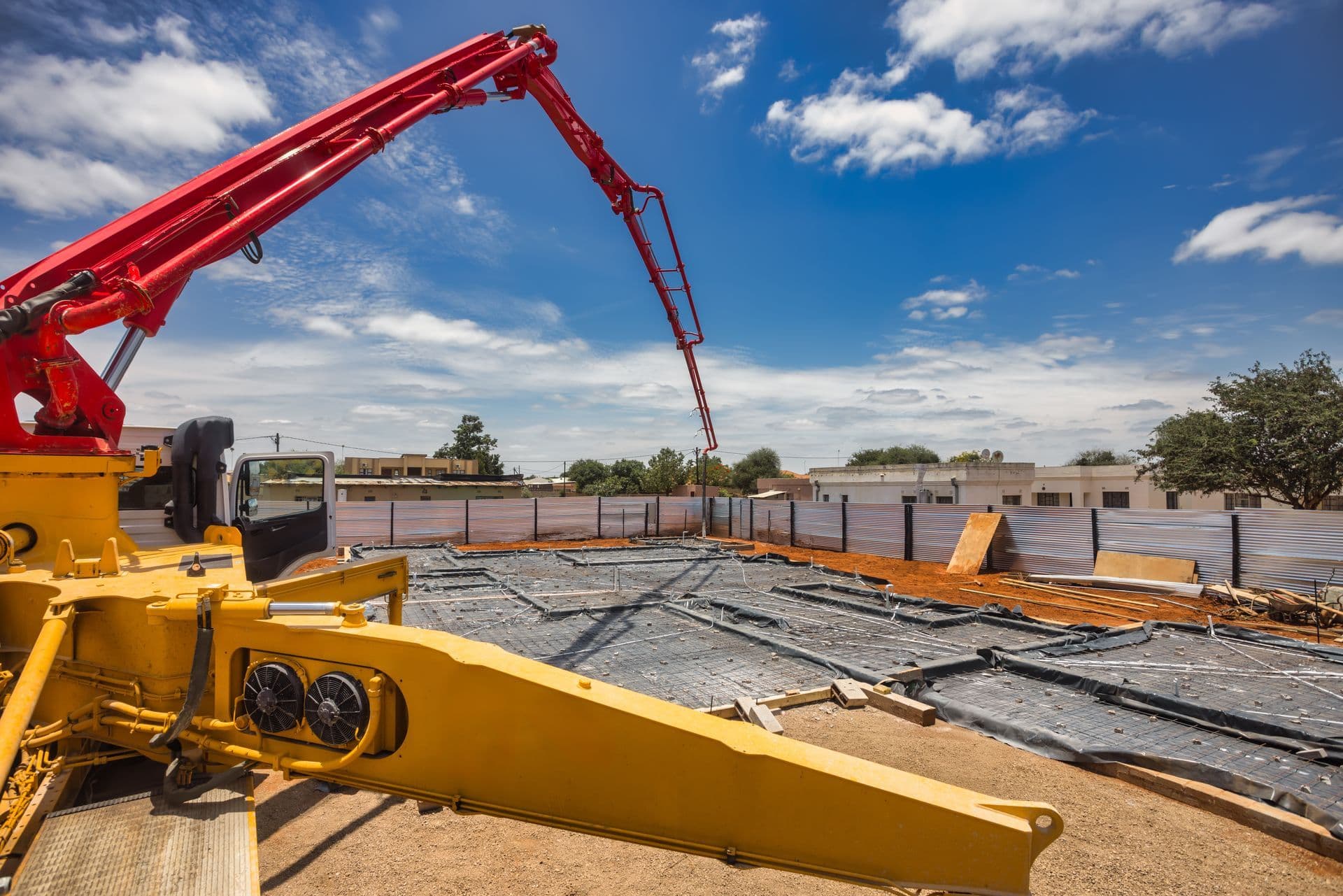
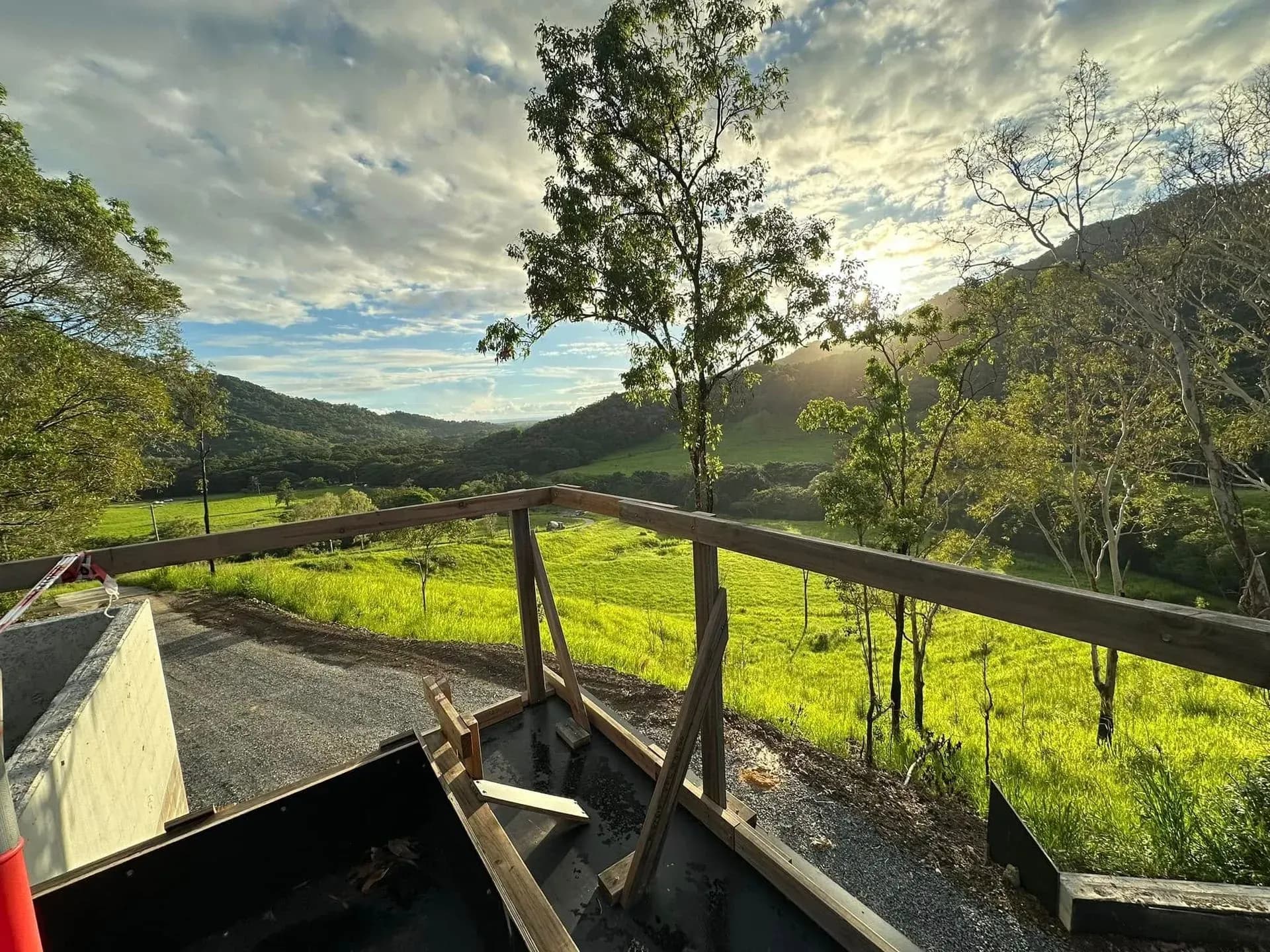
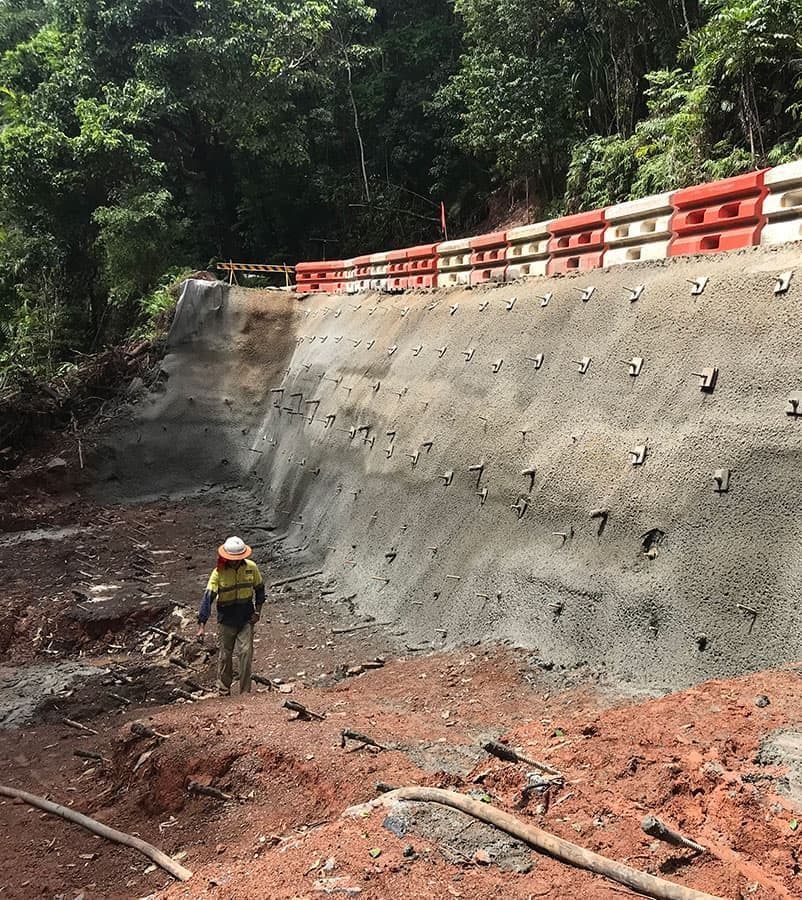
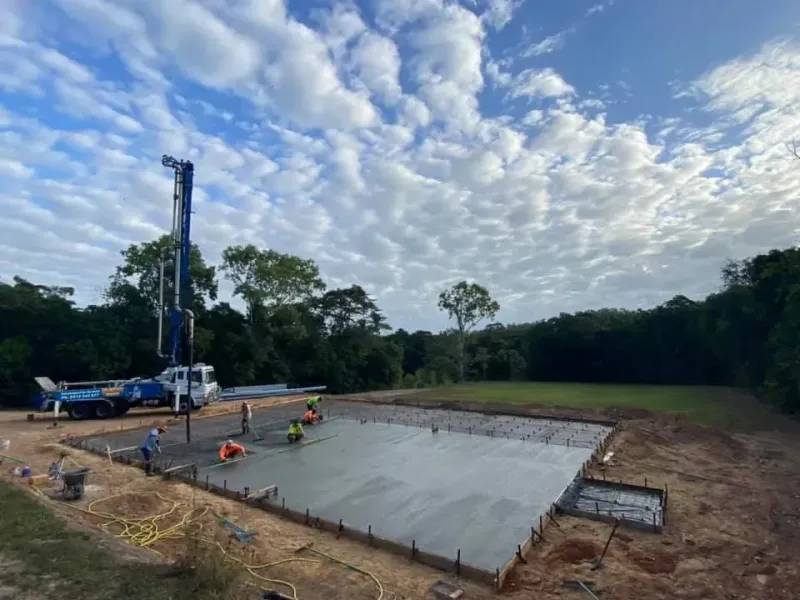
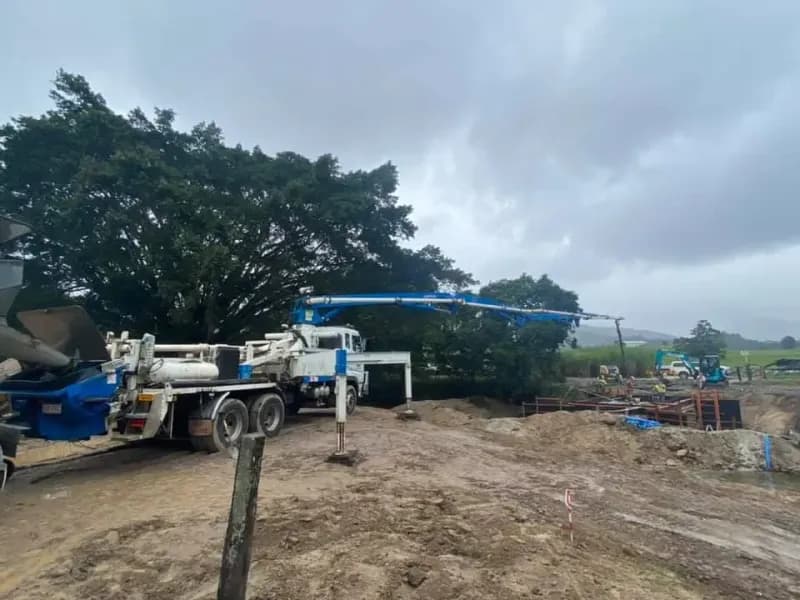
Westcourt is flat, low-lying land, mostly under 10 metres above sea level and edged on its south-east side by Mulgrave Road. Flat ground sounds ideal for a concrete pump, but after heavy rain it is the kind of ground that can stay wet underneath. In August 2026, WorkSafe Queensland warned that ground water from rain and tidal areas greatly increases the risk of outrigger-supported plant overturning, and that a hard crust can form on the surface while the soil below stays waterlogged. The same alert described a 38 m concrete placing boom tipping in April 2026 after an outrigger punched into a hidden void.
Rain is not an occasional problem on the coast. The Bureau of Meteorology's Cairns Aero station averages about 2,025 mm a year, with roughly 16 rain days a month from January to March. Our own rain guide notes that Cairns gets more than twice Mareeba's annual rainfall, so a pump that leaves a dry yard in Mareeba can arrive at a soaked site in Westcourt. That is why wet-season pours here need a weather call on the morning and a second look at the set-up area after any downpour.
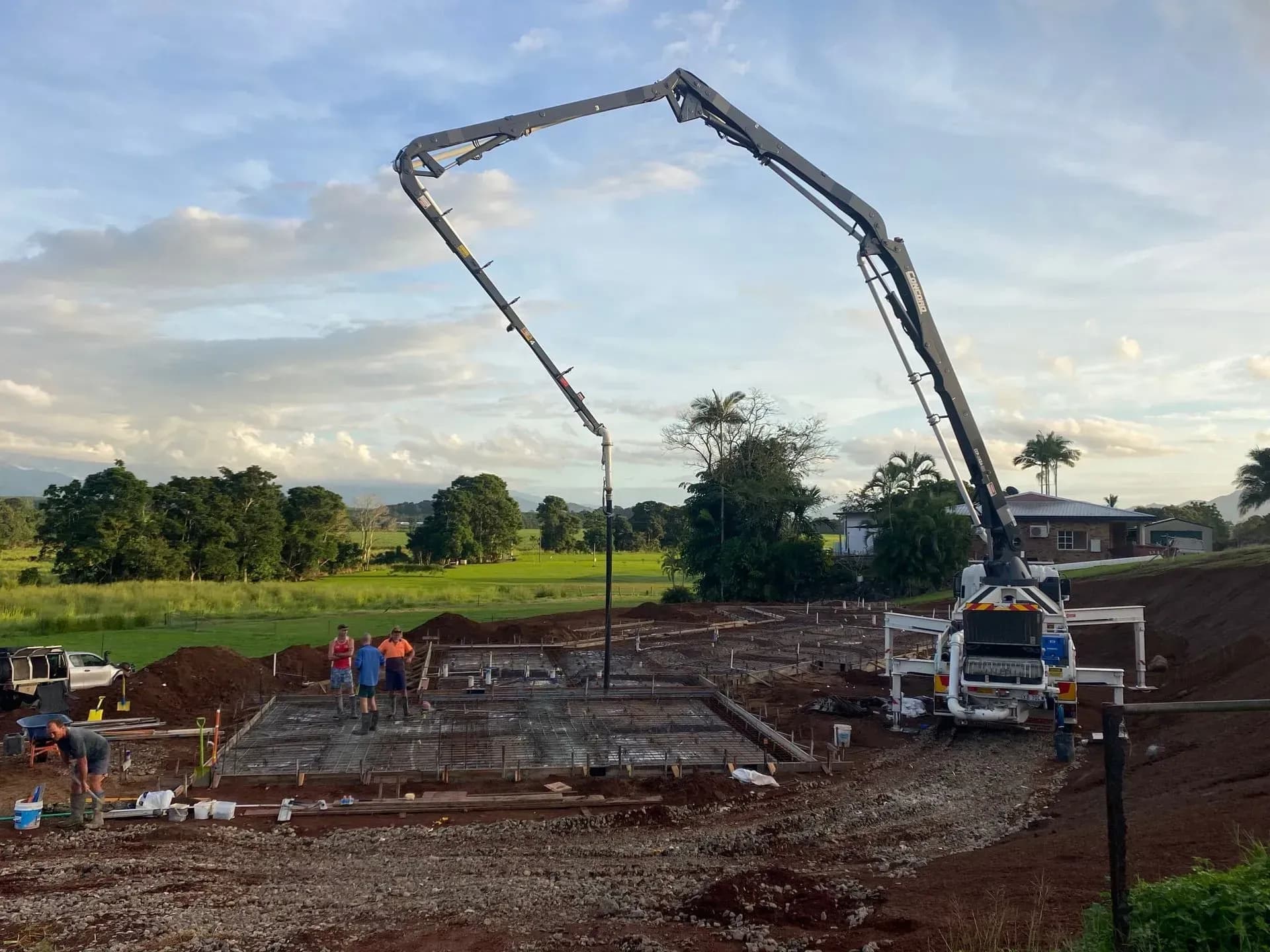
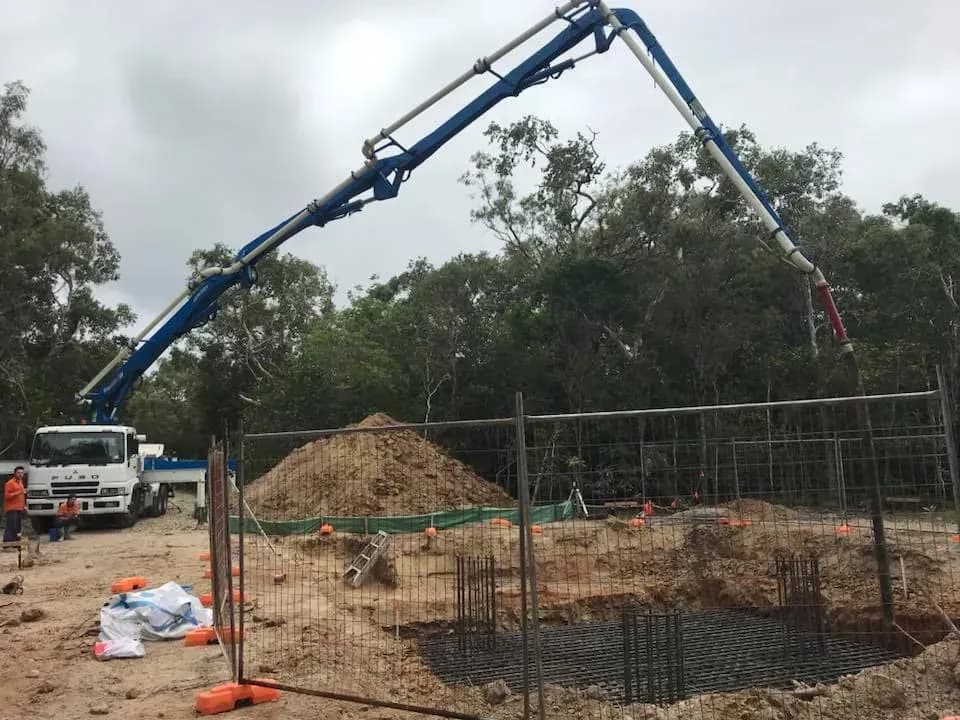
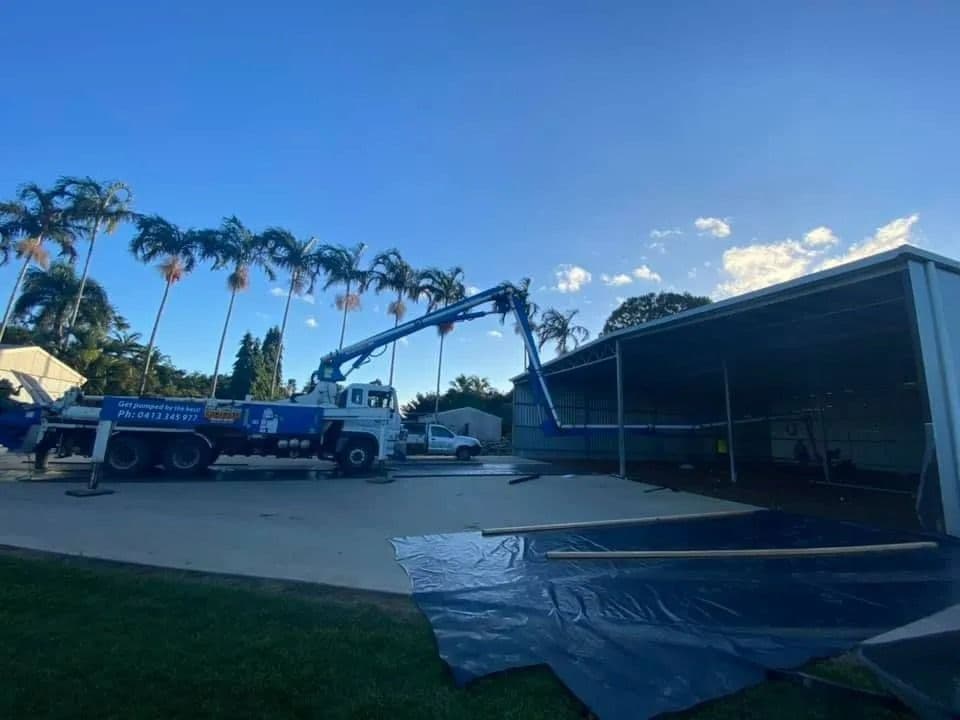
Set-up space is the other half of the problem. With most Westcourt homes being townhouses, semi-detached dwellings or flats, there is often no room on the block for a boom truck with its outriggers fully extended. When the pump has to stand on or beside a public road, Queensland's Concrete Pumping Code of Practice says permits must be obtained from the relevant authority, and road or footpath closures may be needed. Properties fronting Mulgrave Road may face a different process again: works that interrupt traffic on a state-controlled road can need a Transport and Main Roads Traffic Control Permit, so it is worth checking with TMR well before booking.
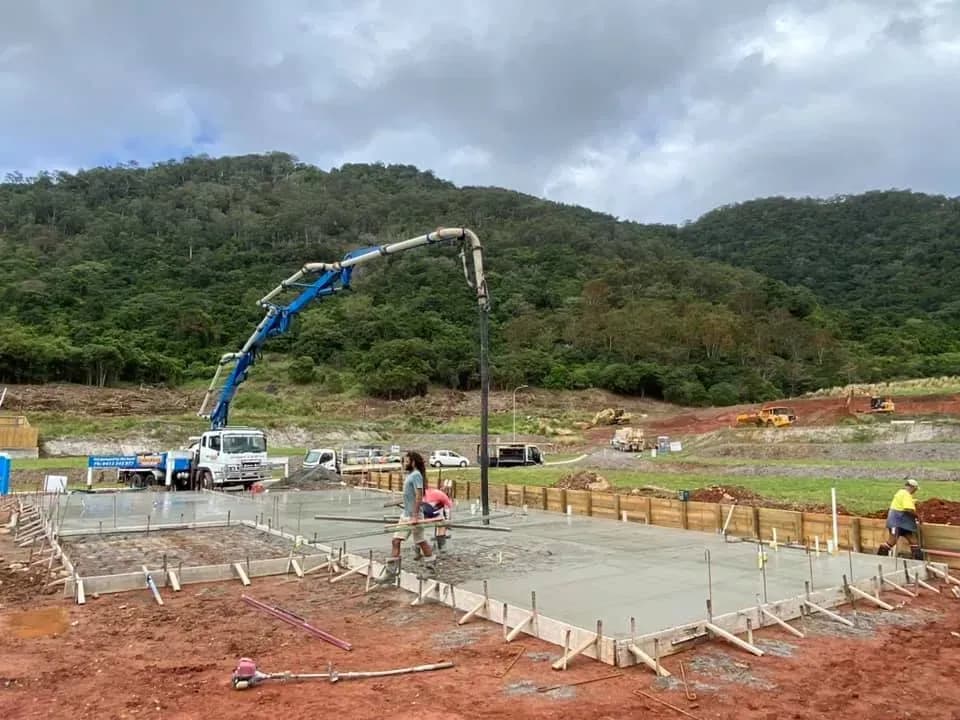
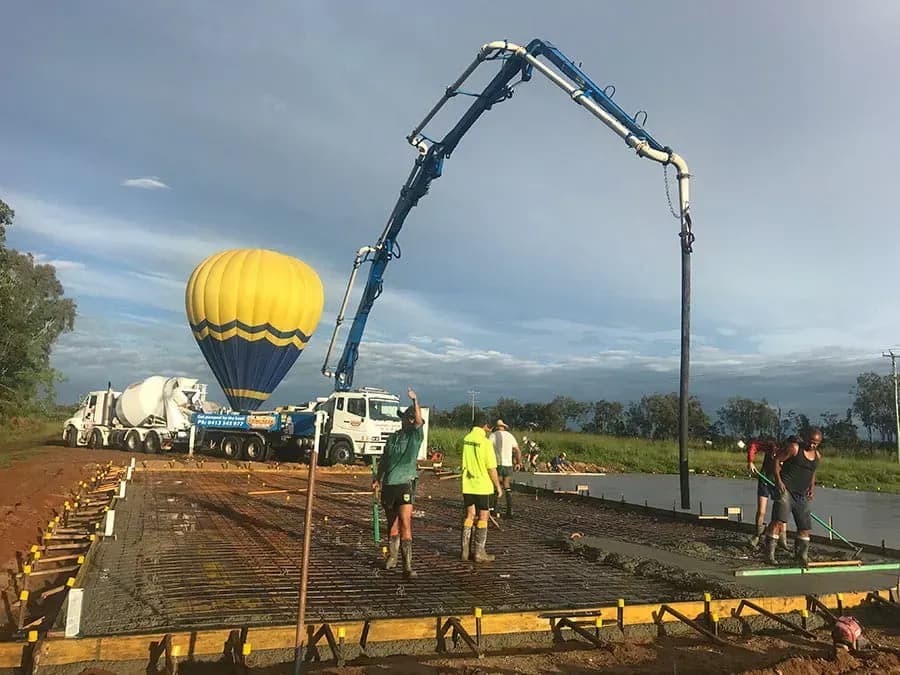
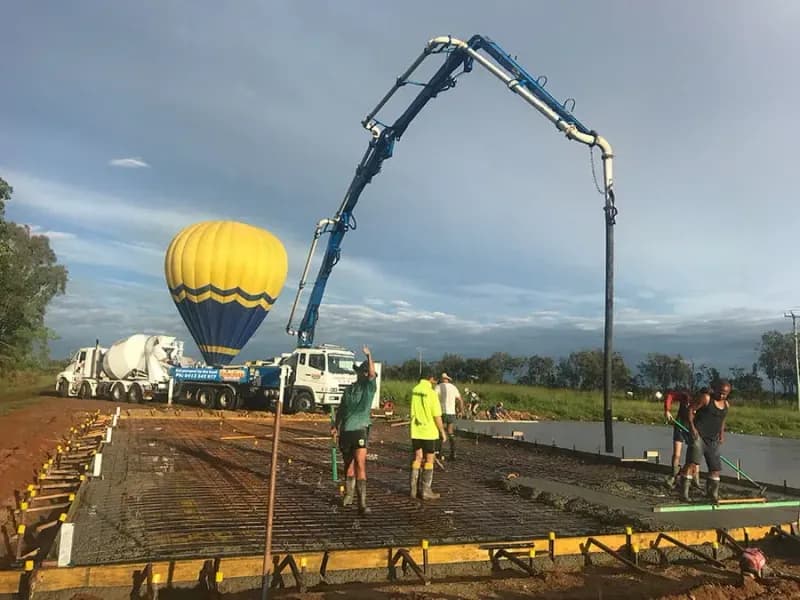
Our response is practical. We ask for the site layout, the street frontage and the location of any pits, pipes, tanks or recent trenches, because WorkSafe expects builders to give operators that information. We plan for outriggers on firm, level, undisturbed ground and recheck it after rain, then match the pump to the pour: a boom when the slab sits behind a building or is large, line pumping when the pour is at or near ground level.