Bungalow is a small, dense inner suburb: 2,358 residents in 1,231 private dwellings at the 2021 Census. Separate houses make up 41.6% of its dwellings, compared with 74.8% across Queensland, while flats and apartments account for 43.3%. Background sources describe it as almost entirely freehold, with residential and commercial areas side by side and little open space, and planning data points to much of the land being industry or mixed-use zoned. For a pump booking, that mix matters more than the postcode.
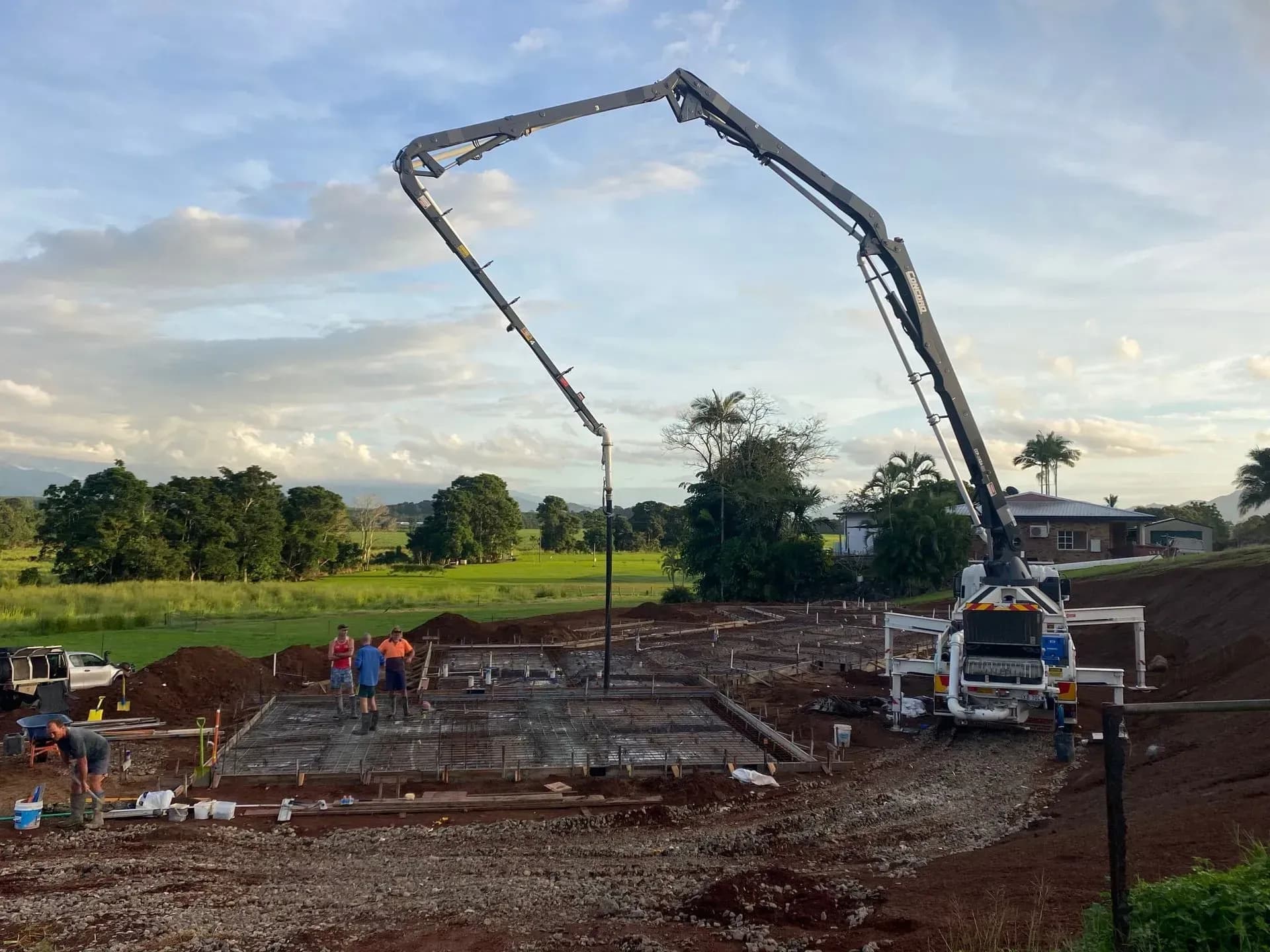
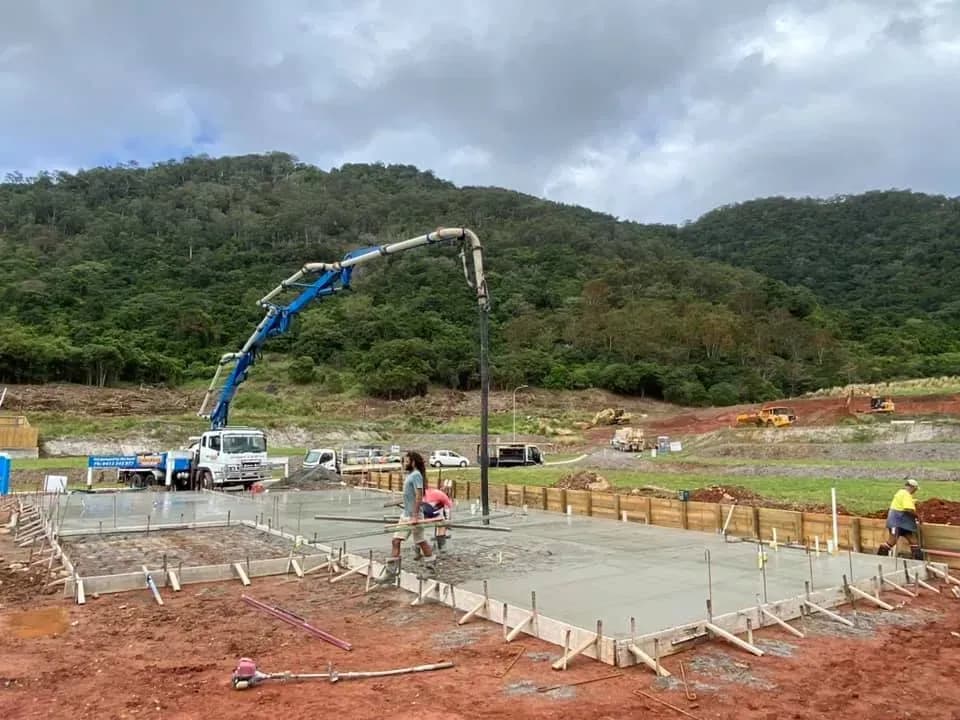
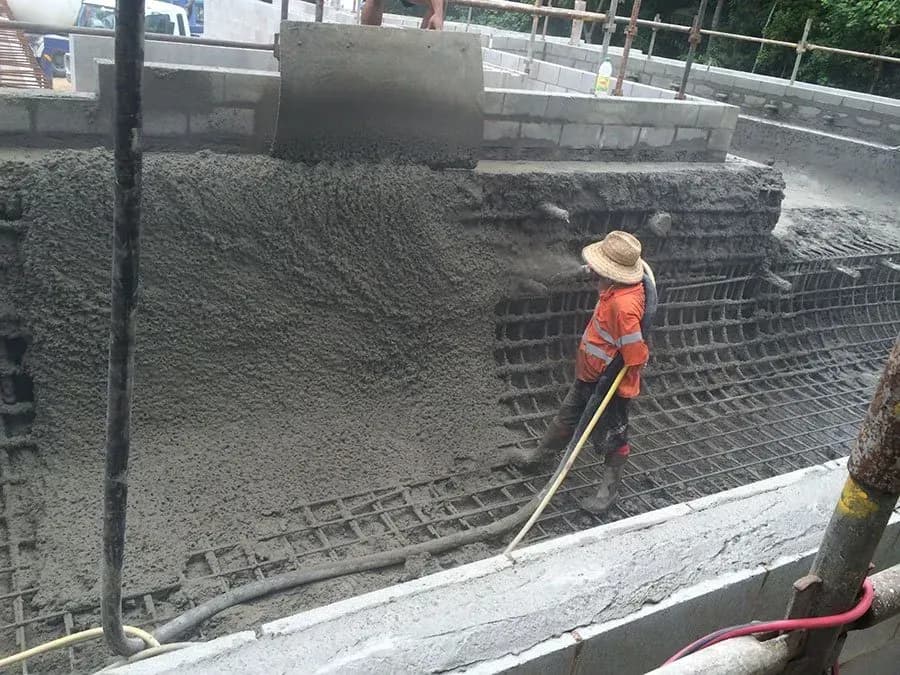
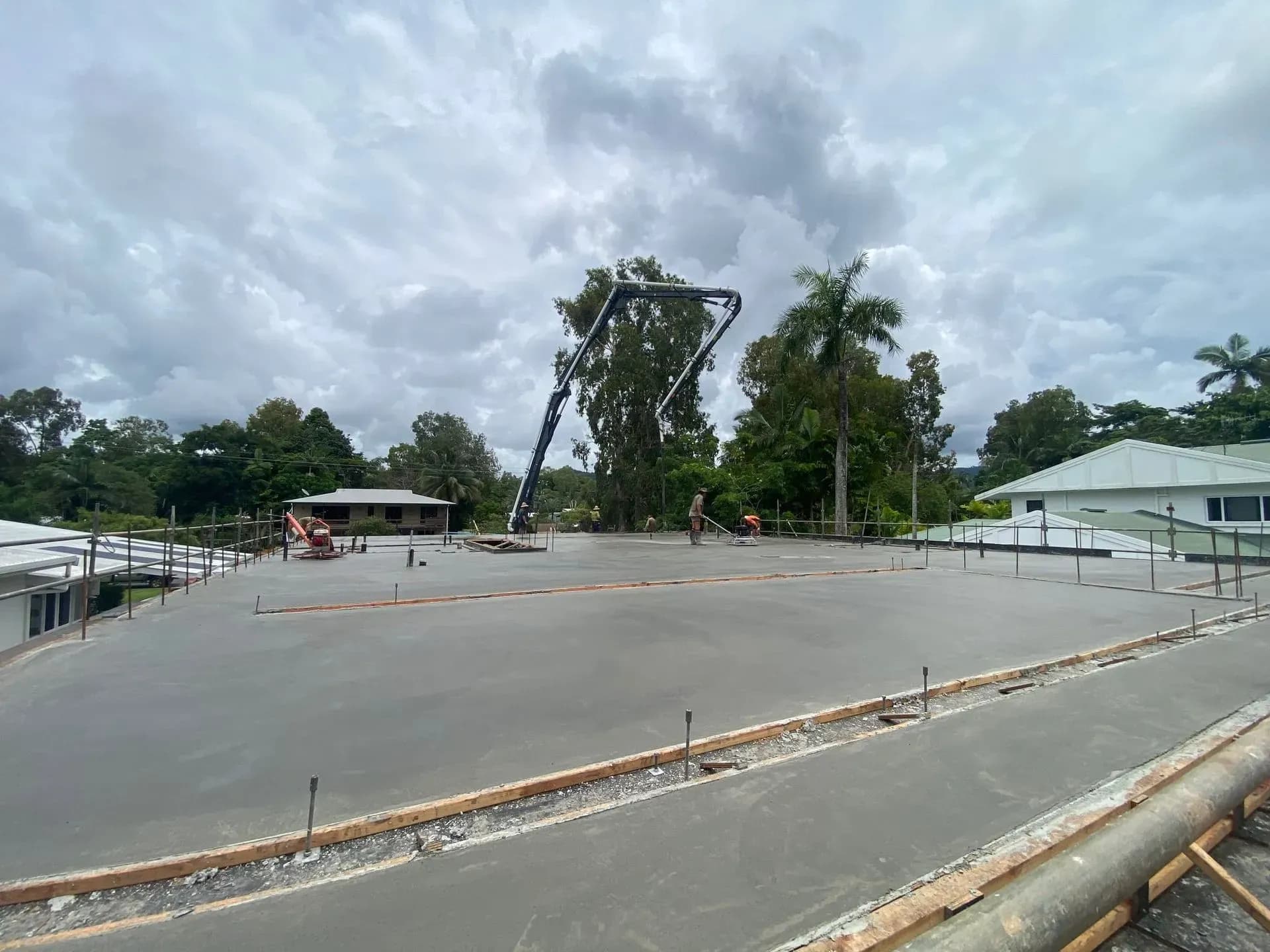
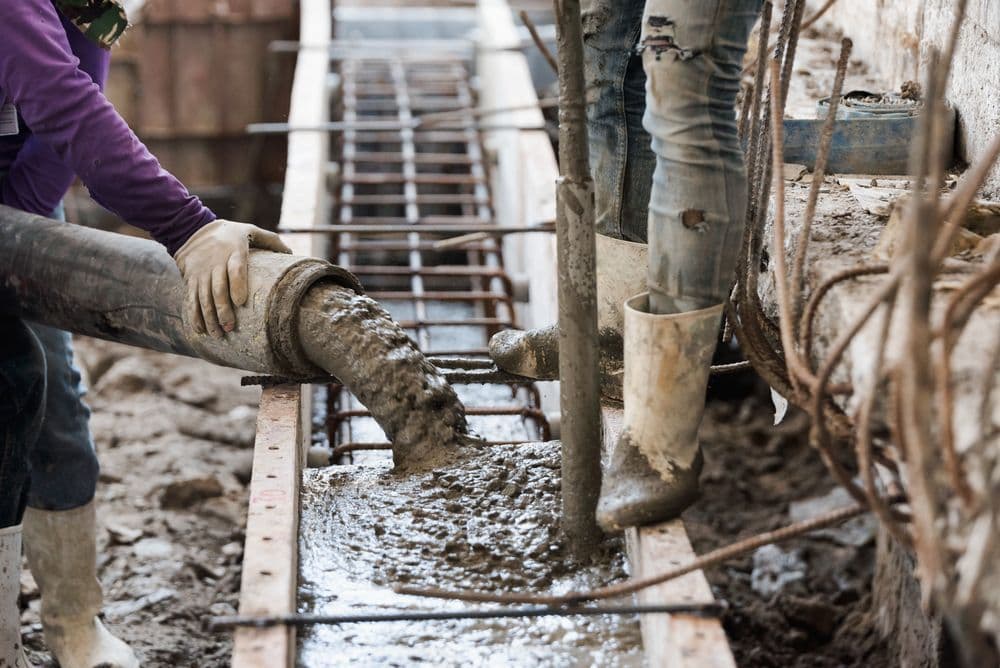
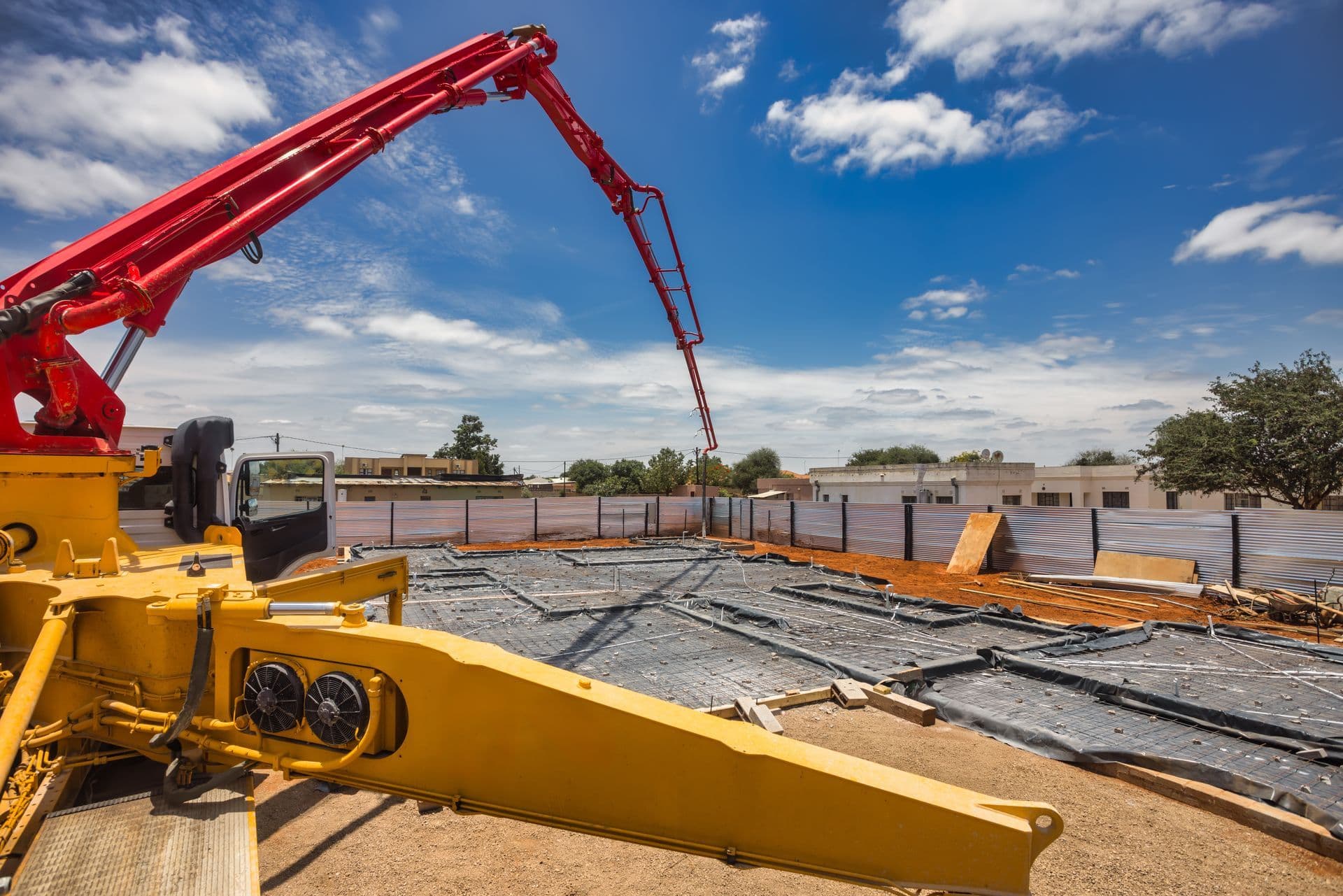
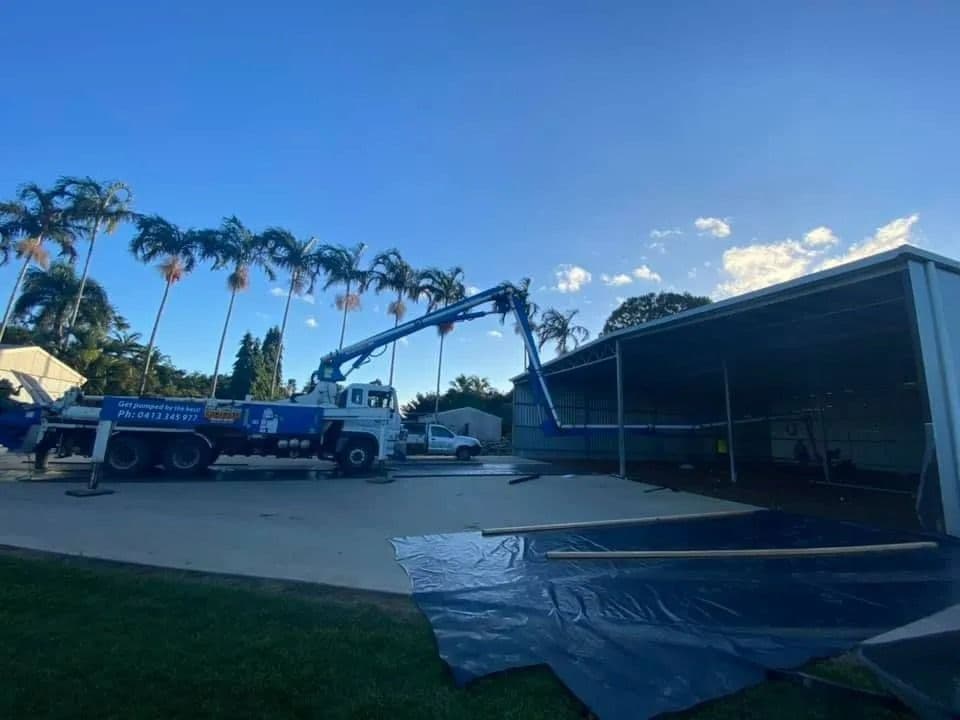
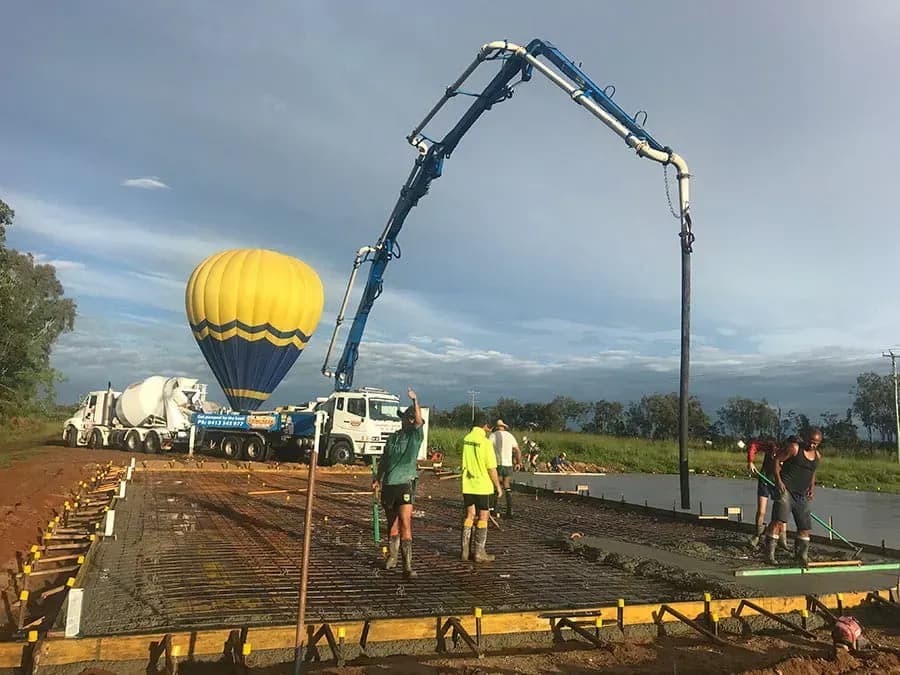
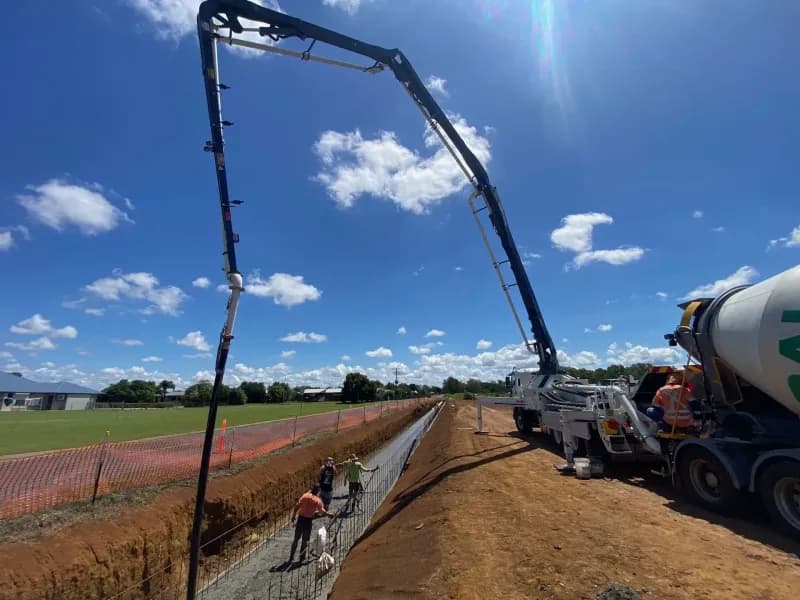
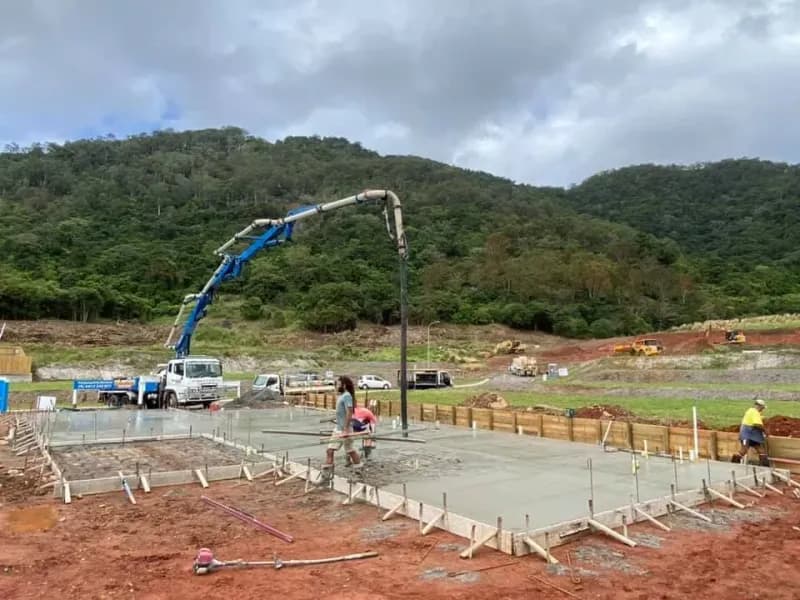
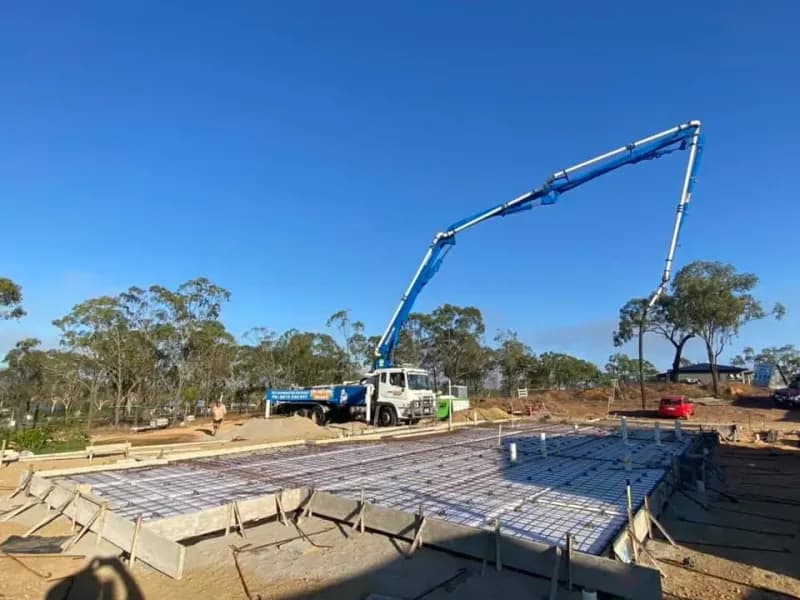
On a unit block or townhouse site, the pour is often a path, courtyard or small slab at ground level, reached down a shared driveway. A line pump suits that kind of pour at or near ground level, because hose can be run where a truck cannot fit. Where the pour sits behind a house, a boom set up on the street can place concrete over the roof, and across established Cairns suburbs pumping over the house into the back yard is one of the requests we hear most often.
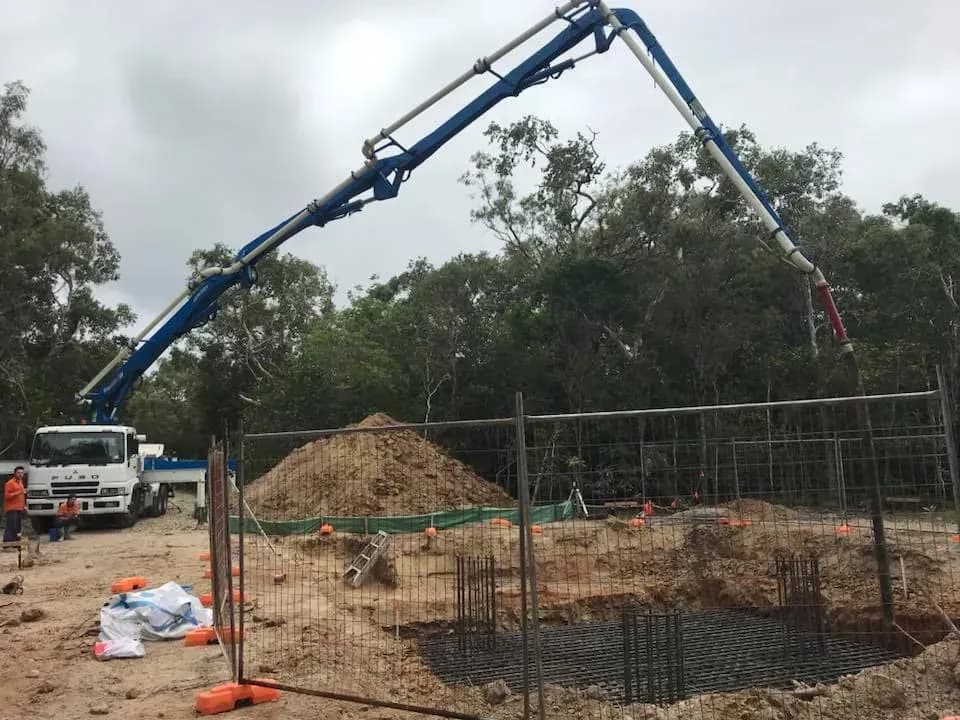
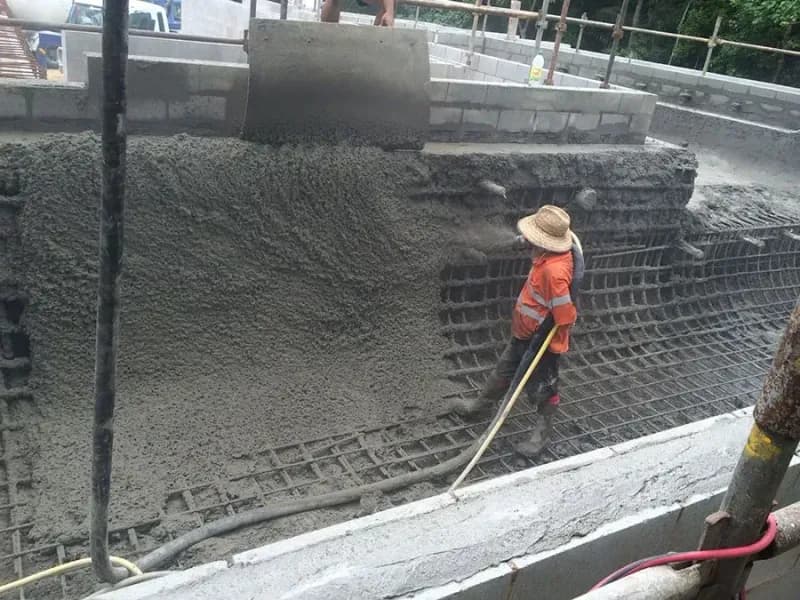
Industrial and showroom lots are a different job. We pump commercial and industrial work including warehouses, tilt panels, block fills, structural walling and panel slabs, and the 28m boom is the fleet's workhorse for house slabs, commercial floors and civil pours. On a working frontage, the set-up area, concrete truck deliveries and any closures need planning before the day. Queensland's Concrete Pumping Code of Practice notes that set-up may require road or footpath closures from the relevant authority and traffic control for truck deliveries, and that the pumping company should state its set-up area as a length by width in metres.
Weather adds a second layer. Cairns averages more than 400 mm of rain in each of January, February and March, with about 16 rain days a month, and industry guidance says not to place concrete if rain looks likely, and to cover fresh concrete and stop water running across it if rain arrives. Because we come to Cairns from Mareeba, a wet-season booking works best with a weather check and a fallback date agreed early.
So when you call, tell us the pour size, where it sits on the block, what is overhead and what is buried near the set-up spot. We use that to recommend a boom or line pump and talk through the footprint the truck needs.