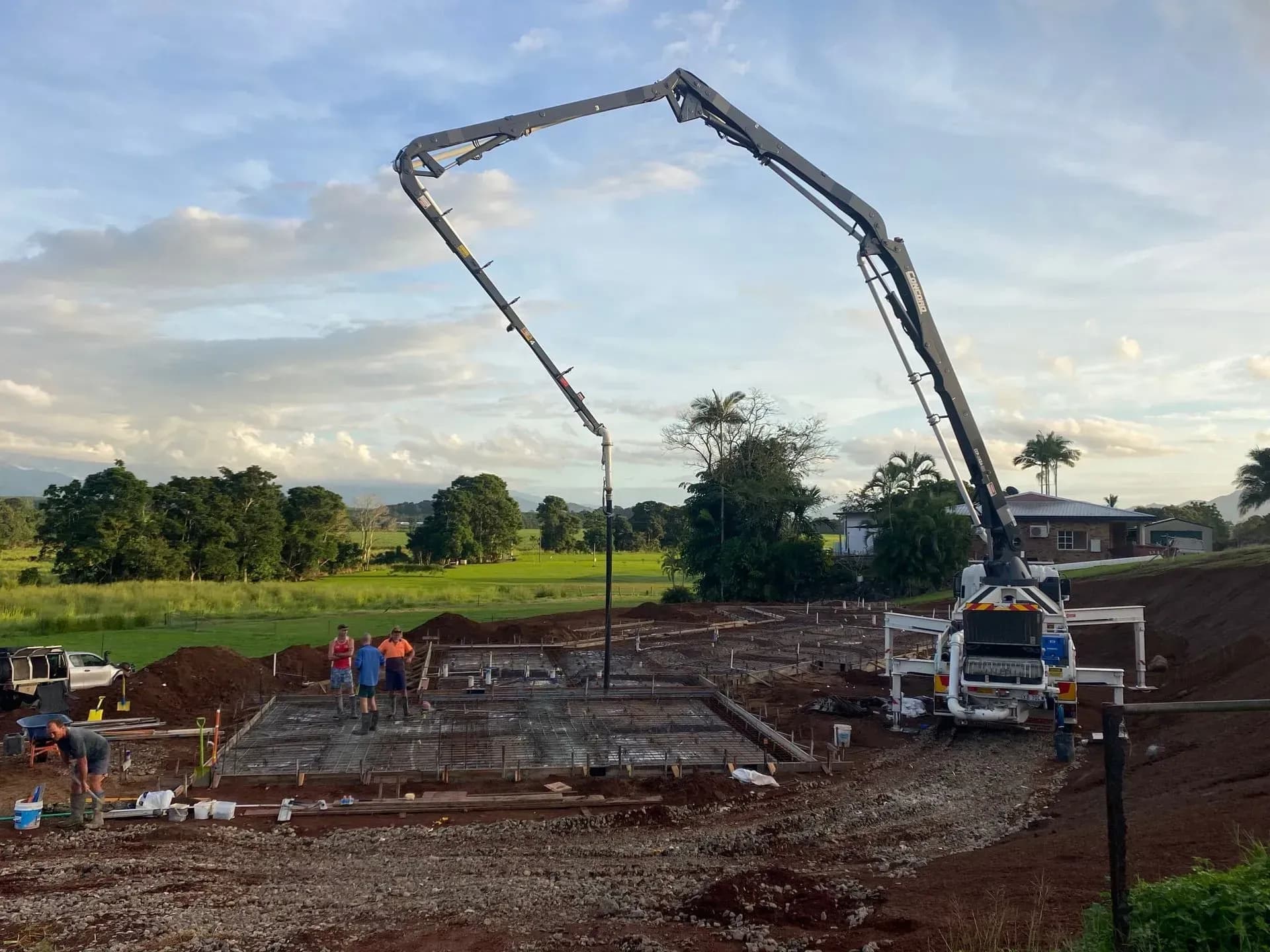
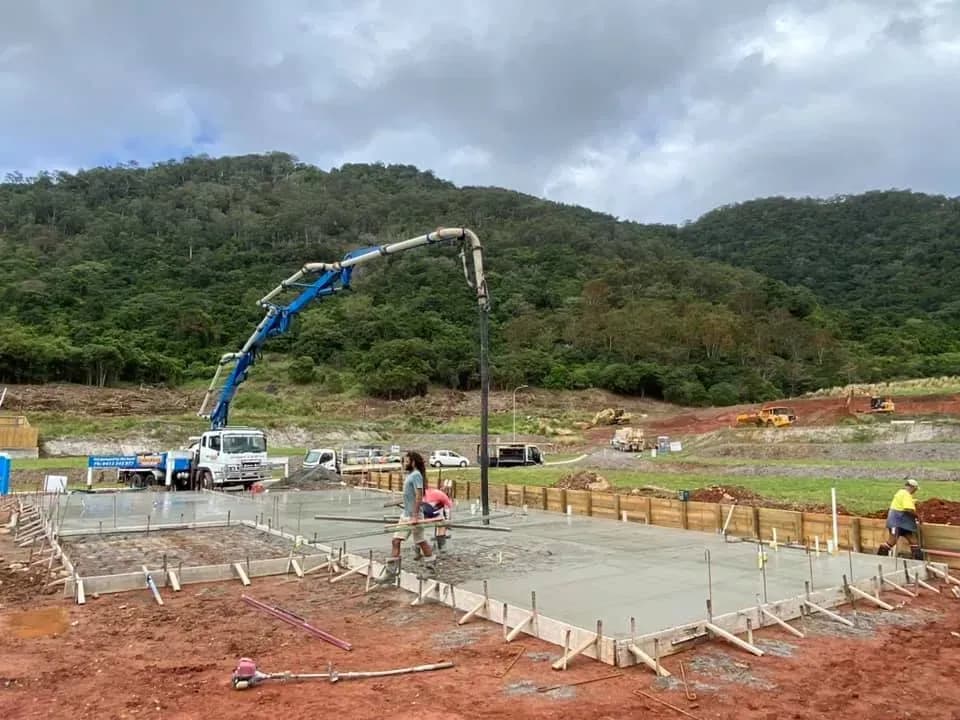
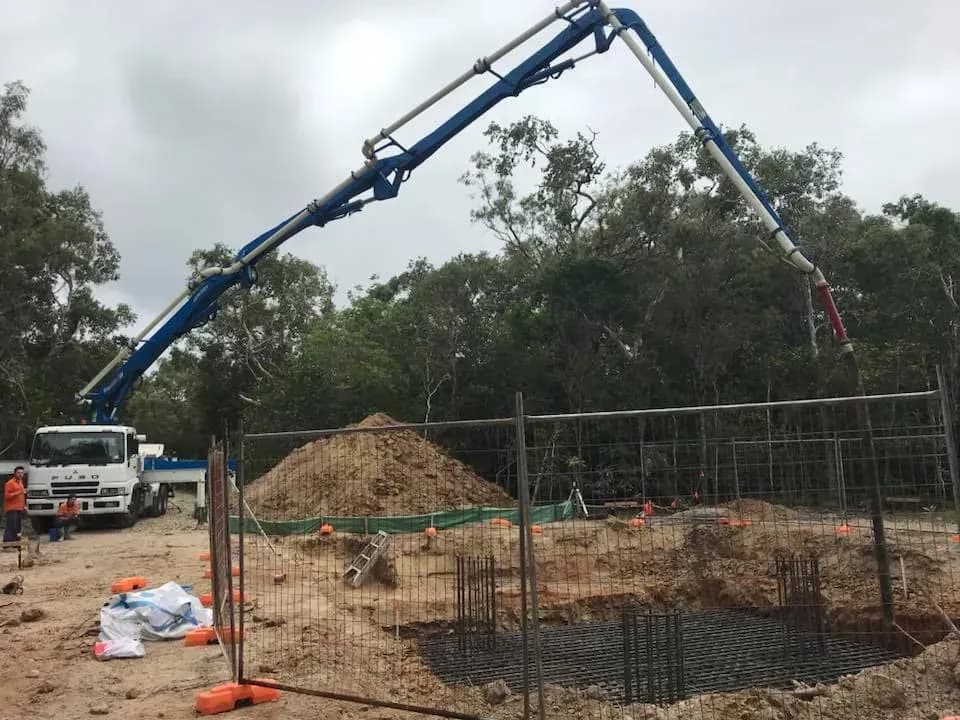
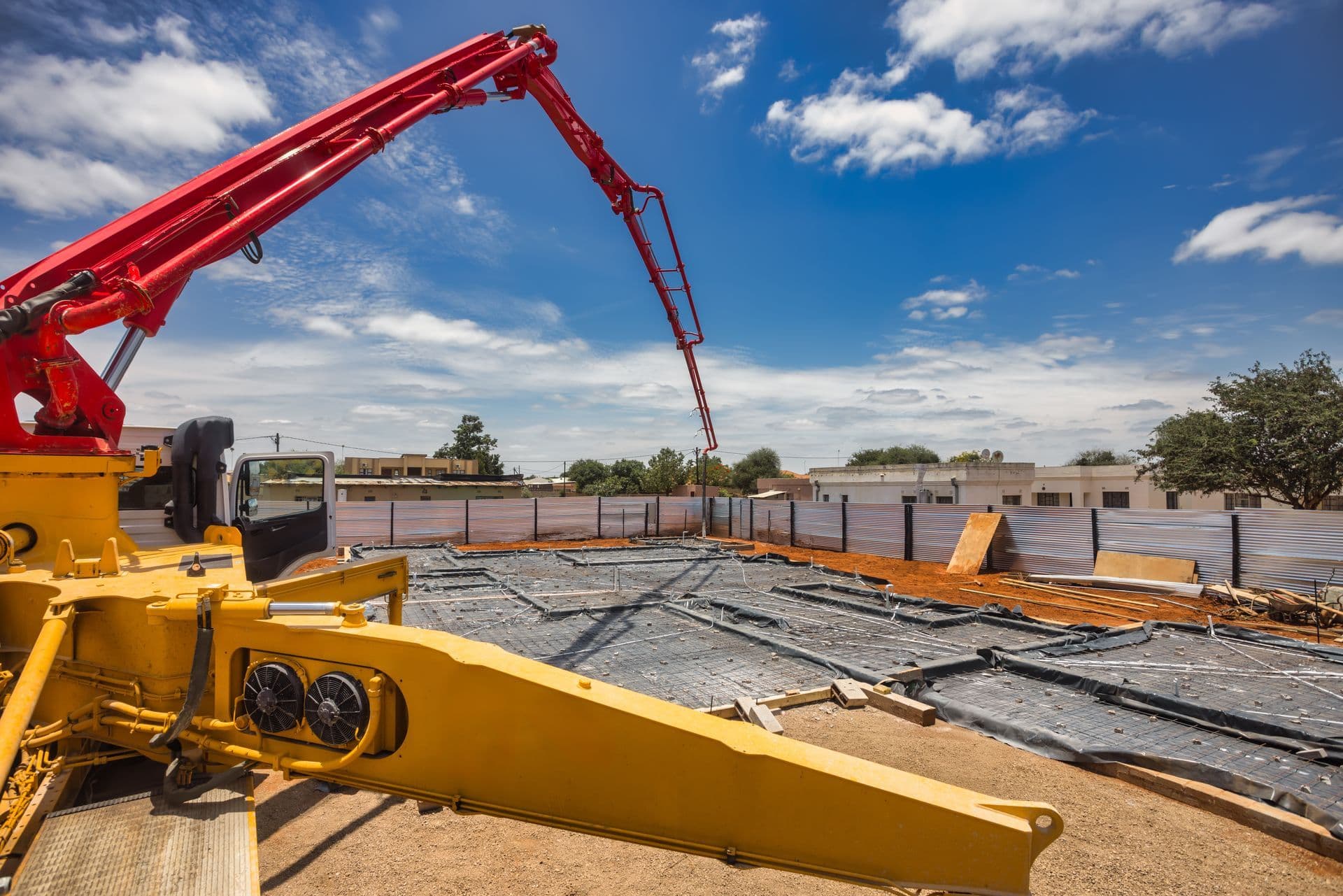
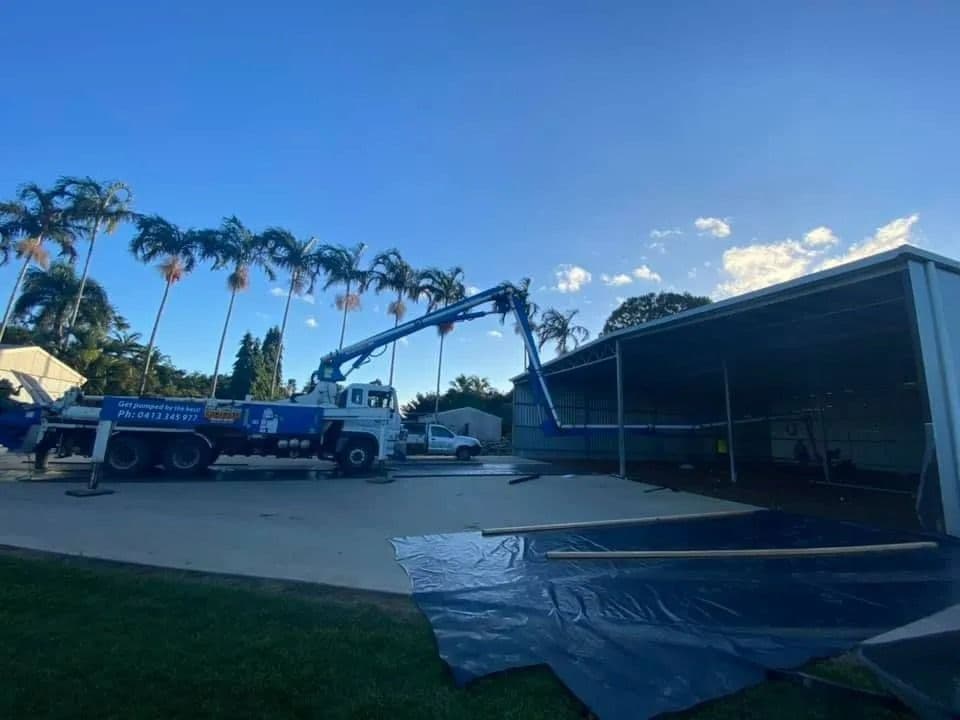
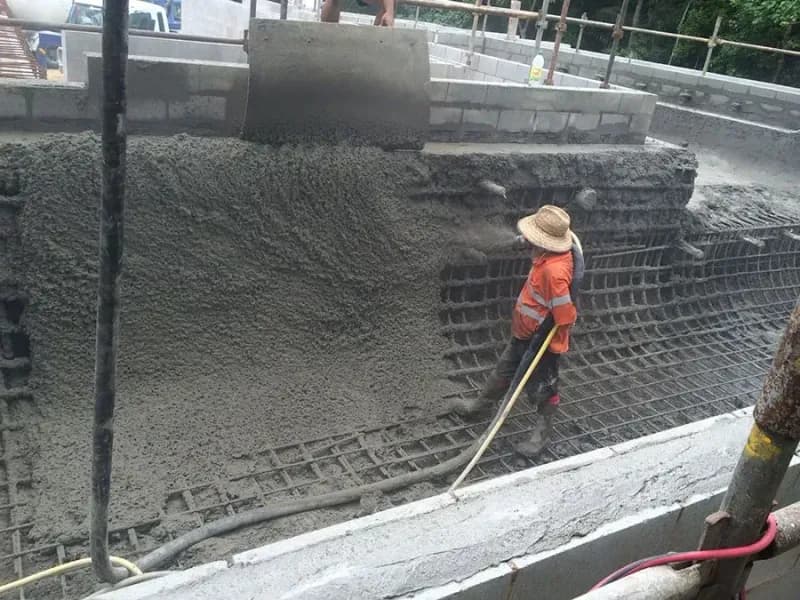
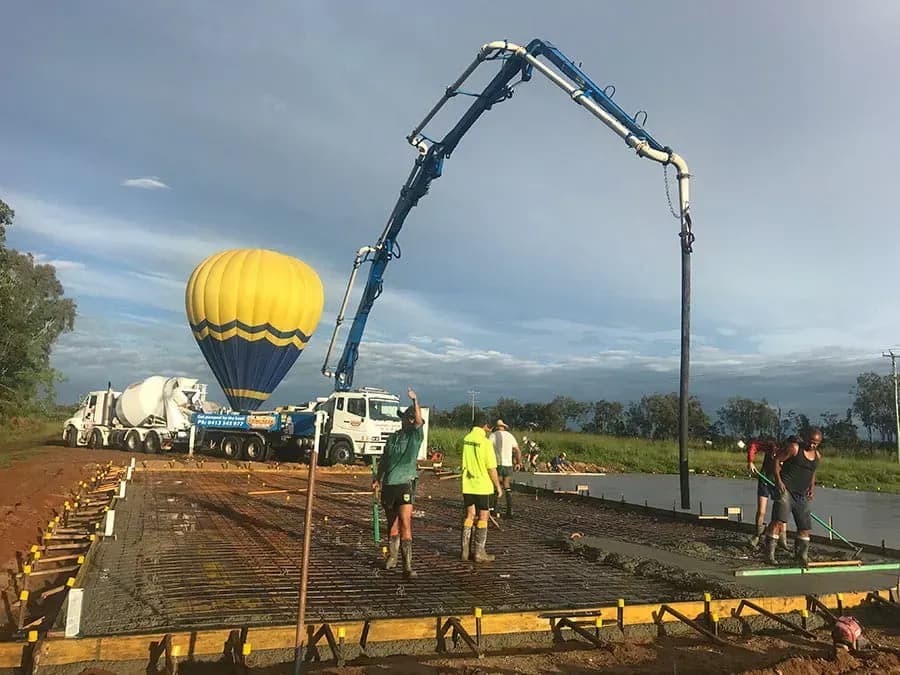
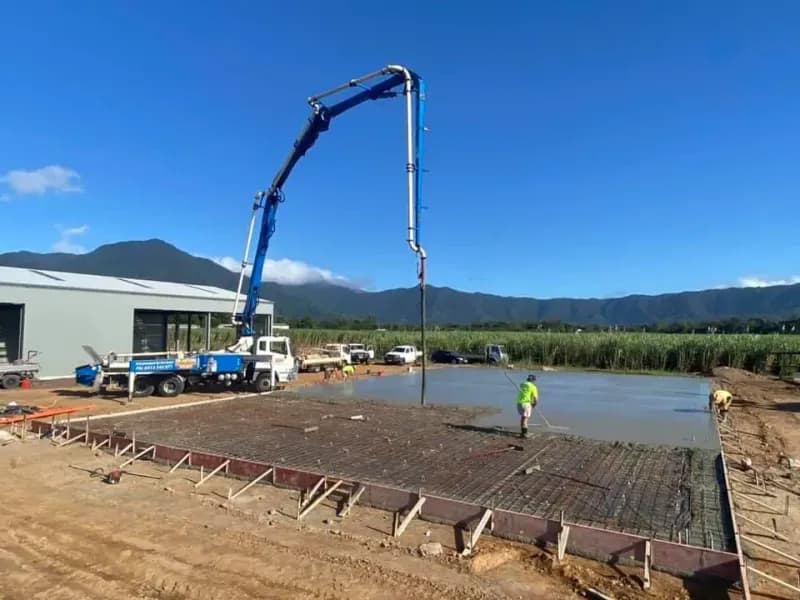
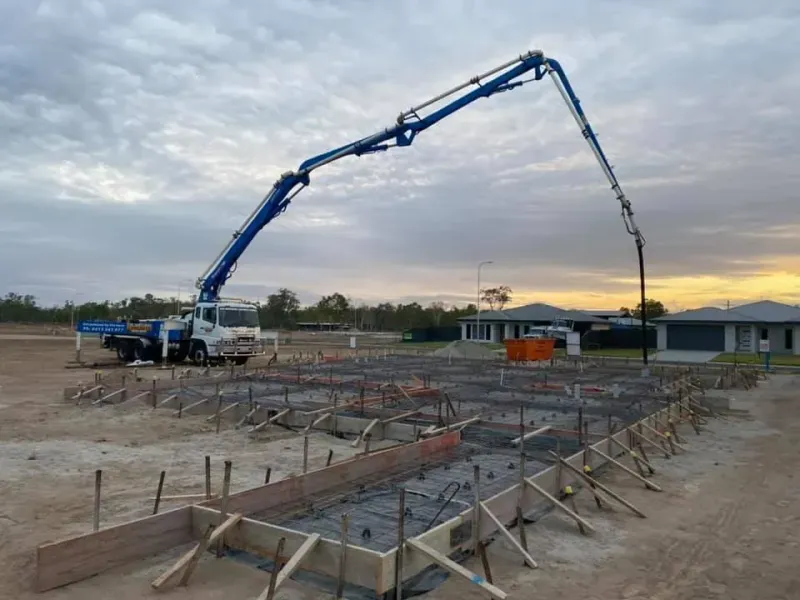
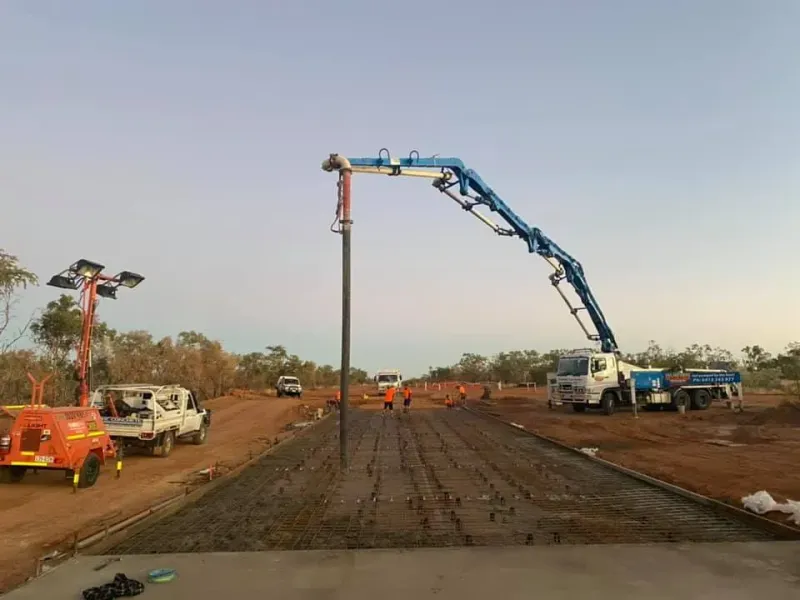
A concrete boom pump is only as stable as the ground and the space under its outriggers. WorkSafe QLD's 2023 incident alert describes a boom pump that rolled over on a residential site during pack-up, with the boom falling onto the house across the street, and it warns that 'short legging' the outriggers (setting up without enough room to extend them fully) increases the risk of overturning. The same alert says a placing boom should not be set up over or next to back-filled ground, trenches, pits or soft ground.
Those warnings apply directly to Manoora. Flats and apartments make up 43.5% of the suburb's occupied dwellings, compared with 12.5% across Queensland, and townhouse and terrace-style homes another 13.6% (ABS 2021 Census). Many pours therefore sit behind or beside a block of units, reached from a street frontage that may be lined with parked cars, bins and shared driveways. Where a site has been redeveloped with new service trenches, pits or stormwater works, the obvious setup spot can be exactly the ground the boom has to avoid.
Our site preparation guide asks for room for the outriggers fully extended, on level, firm, undisturbed ground, rechecked after rain. On a unit-lined street that usually means clearing cars from the frontage on pump day and telling neighbours in advance. The pump sets up on the street, with pads under the outriggers to spread the load, which keeps the truck off shared driveways and kerbs.
Overhead lines are the other street-front constraint. WorkSafe QLD advises identifying overhead and underground lines early and, on Ergon Energy and Energex networks, getting a free powerline safety plan through lookupandlive.com.au. Our guide keeps the boom at least 3 metres from lines up to 132kV, and the boom is not operated over energised lines.
Water is the last piece. An older Geoscience Australia study listed Manoora among the inner-Cairns suburbs where the urban stormwater system may overflow during intense rain, so we ask for a washout area away from street drains that keeps residue out of stormwater. For reference, the WorkSafe QLD Concrete Pumping Code of Practice 2019 is the approved code for managing concrete pumping risks in Queensland.