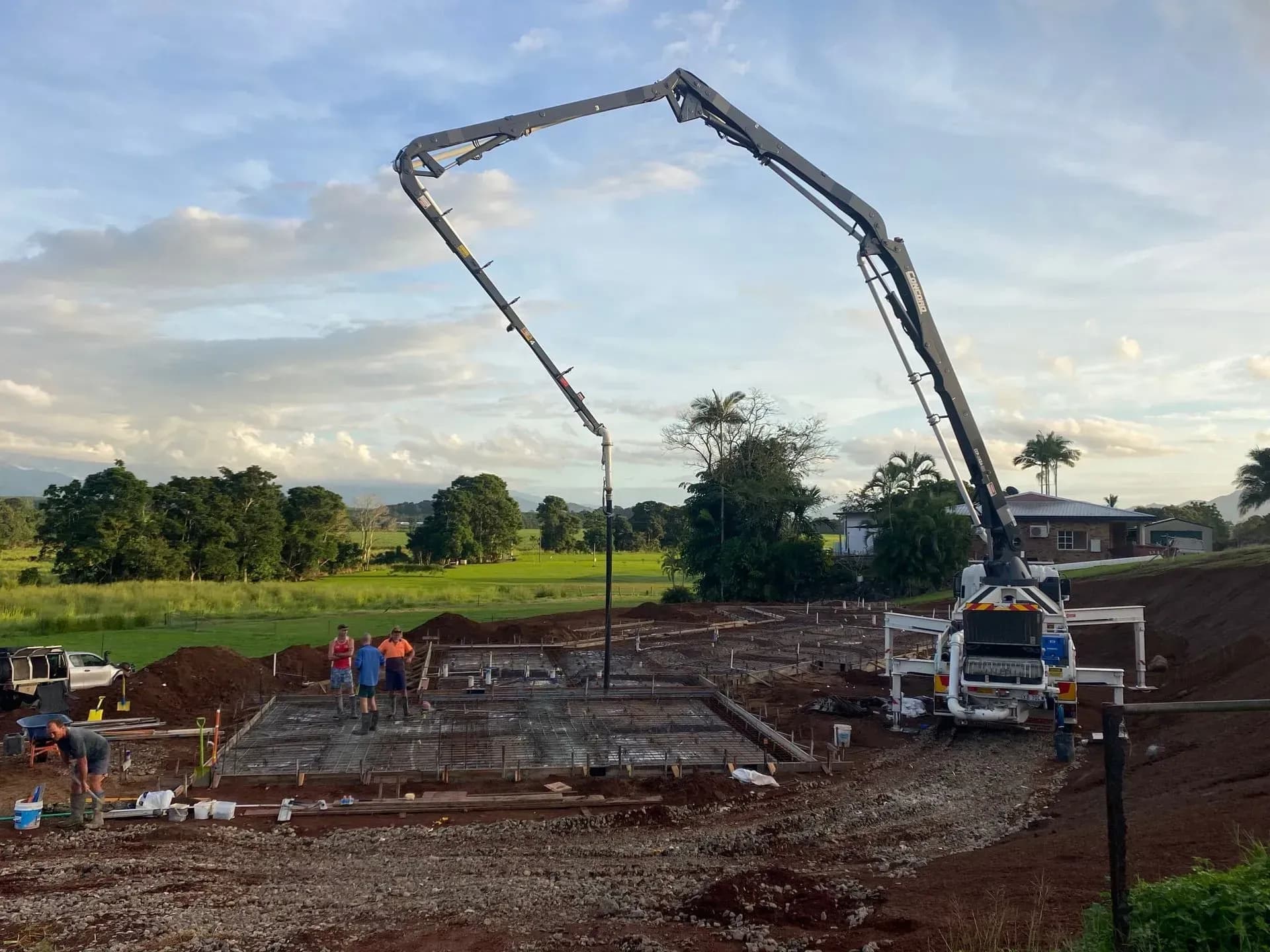
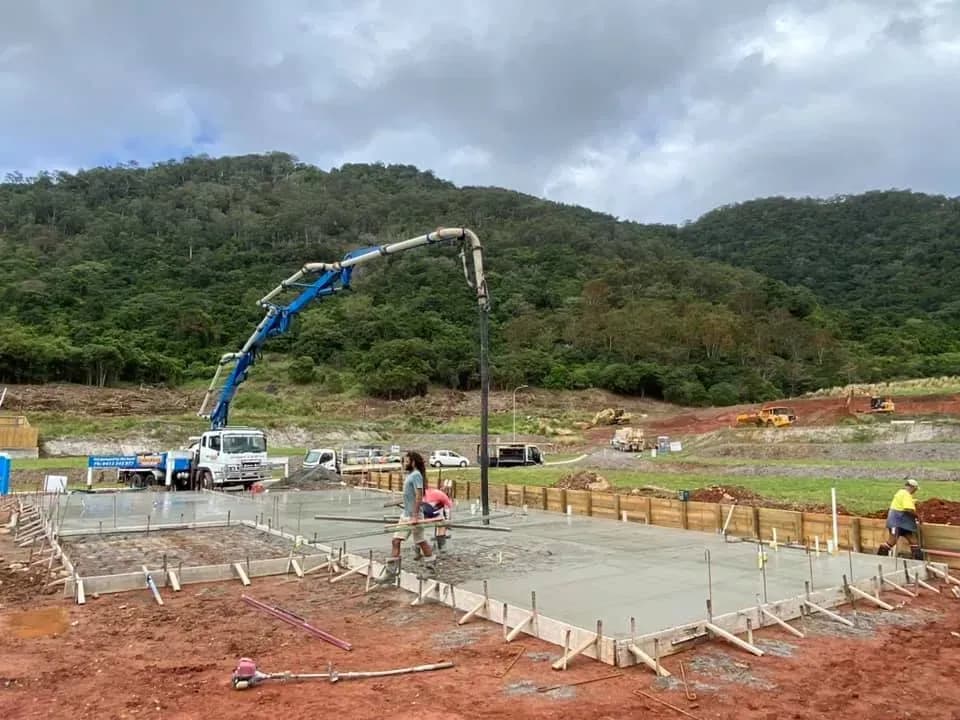
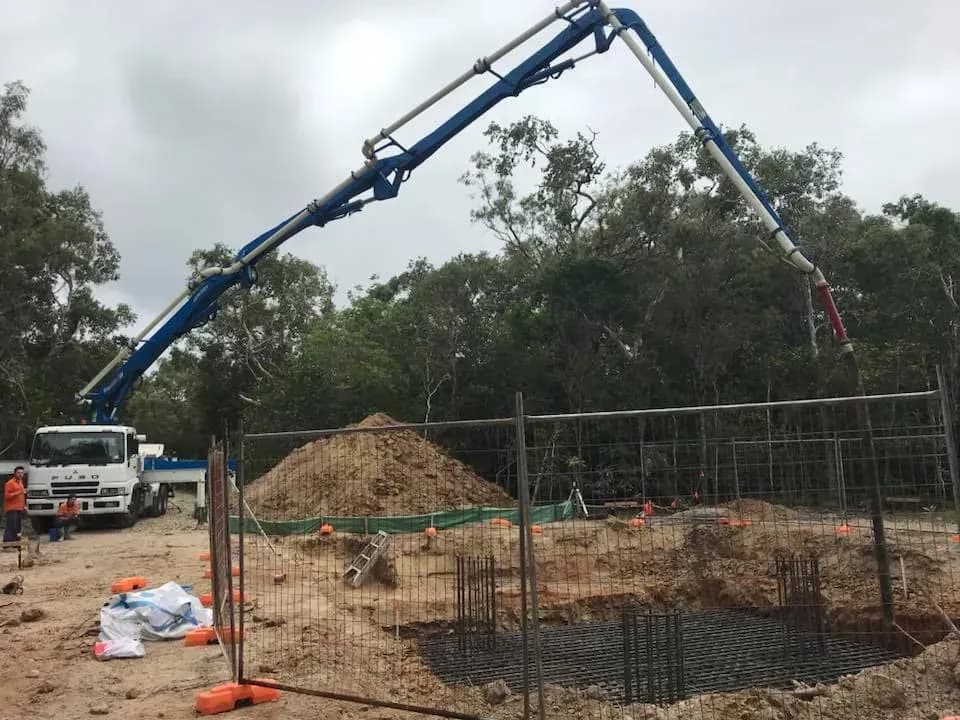
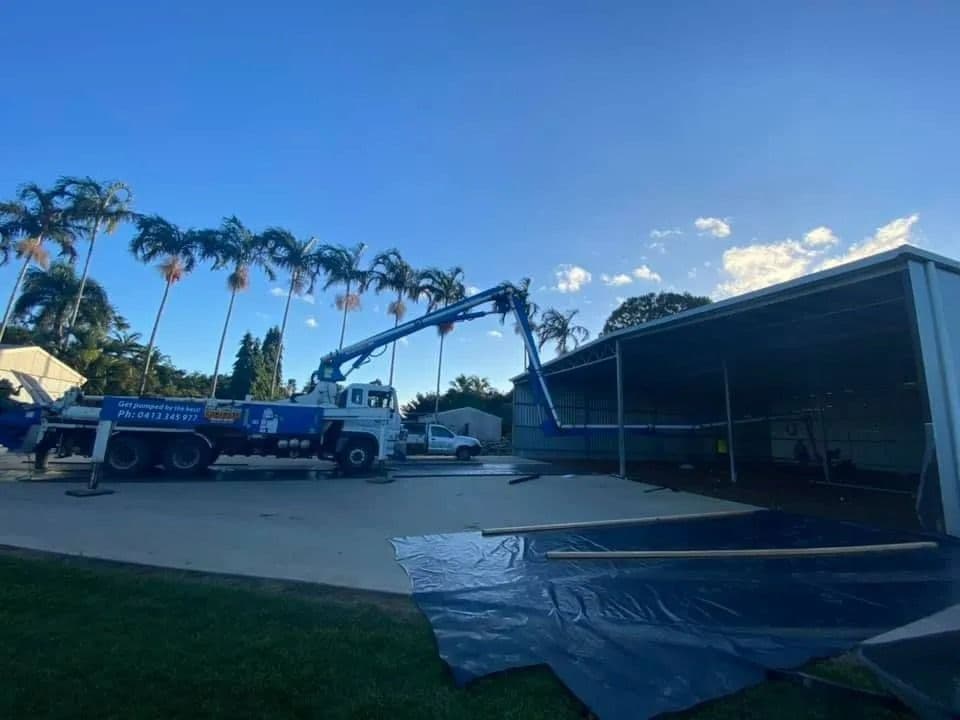
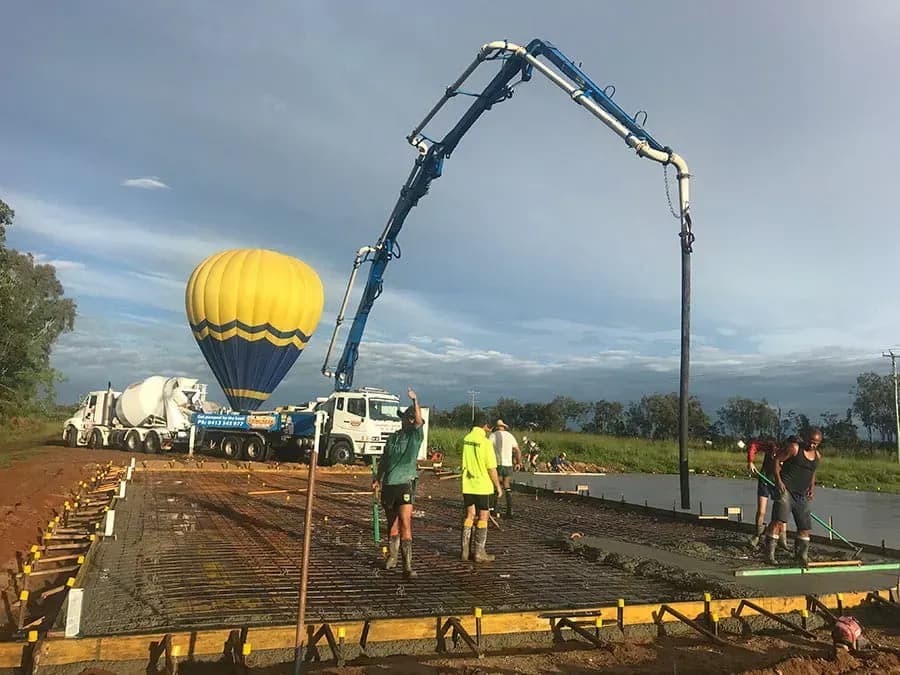
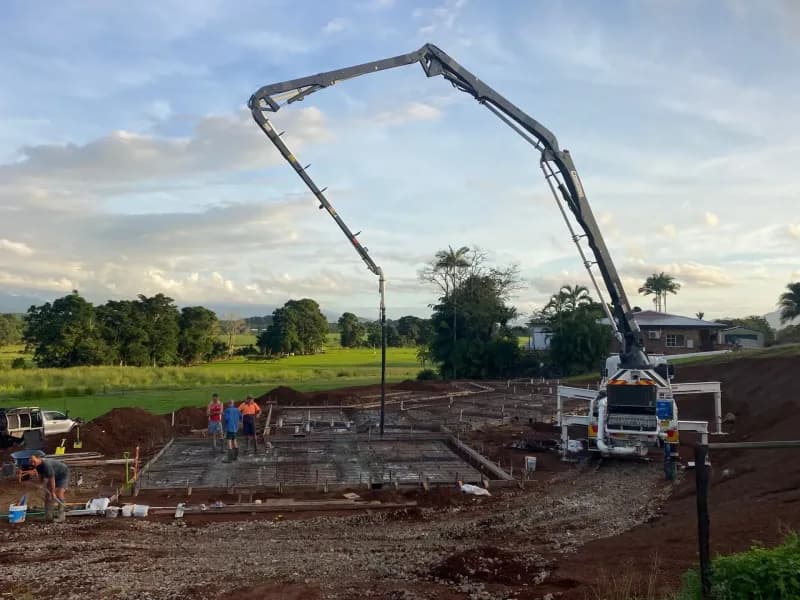
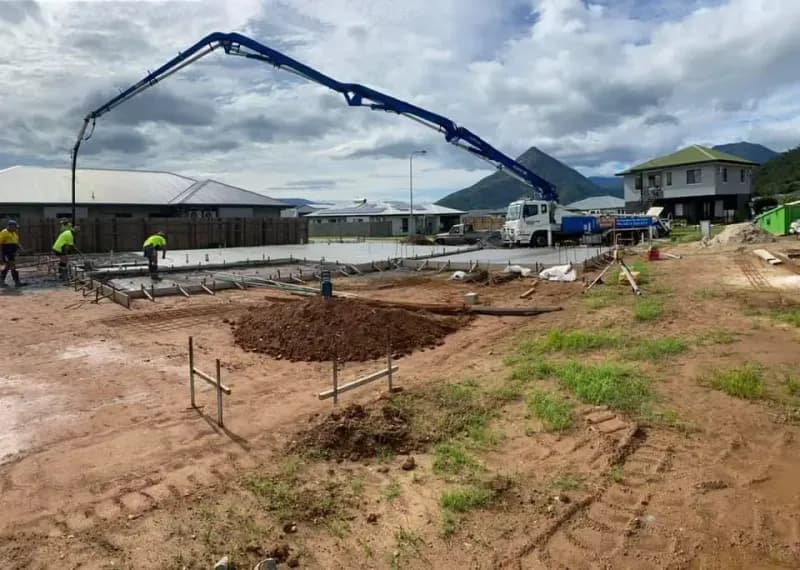
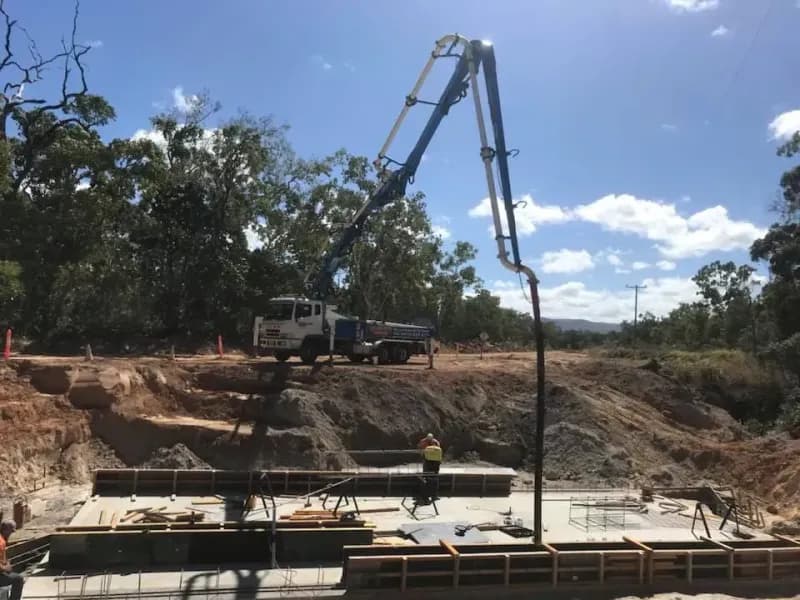
Concrete pump truck servicing Far North Queensland

Concrete Pumping in Parramatta Park

Line pumps for under-house pours, booms for over-the-roof pours, planned around narrow lots and busy streets.

Concrete pumping for Parramatta Park renovators, landlords and builders

When the slab is going in under a high-set timber house or behind a townhouse block, the agitator truck usually cannot get near the formwork, so the first decision is which pump to send and where it will stand. That is the everyday problem behind concrete pumping in Parramatta Park, where council describes mostly pre-war, high-set homes on 10 to 20 metre frontages with small side setbacks. Far Northern Concrete Pumping is a locally owned business based in Mareeba that covers Cairns suburbs on a regular run. Send photos of the house, the pour area and the street, and we can confirm the pump and set-up before you book.

Ask who is pouring concrete in Parramatta Park and the answer is rarely a new house on an empty block. The 2021 Census counted 59.5% of occupied dwellings here as semi-detached, terrace or townhouse-type homes, against 11.7% across Queensland, with separate houses making up only 35.2%. Council's character mapping adds older high-set timber houses, some enclosed underneath, with infill and multi-unit builds scattered between them. That housing points to the kinds of pour likely to come up in the suburb: slabs for enclosing under or extending behind a high-set Queenslander, and slabs for infill and townhouse builds. Separately, small pours such as paths and patios are regular work for us wherever we pump. With 61.8% of homes rented at the 2021 Census, many jobs are likely to be booked by a landlord, property manager or builder rather than the person living there, which makes tenant notice and moving cars part of the plan.

Enquire Now in Parramatta Park

Why older Parramatta Park lots need the right pump

Picture the side path of a typical Parramatta Park house: council puts side setbacks in the character areas at generally 1 to 5 metres, front setbacks at 3 to 5 metres, and frontages at 10 to 20 metres, with carports in front of, beneath or beside the house and some homes with no car space at all. A barrow run or agitator chute rarely reaches a back-yard or rear-lot pour from there, and on attached and infill sites there may be no truck access to the formwork at all. That is why the pump decision matters more here than on an open new-estate block.

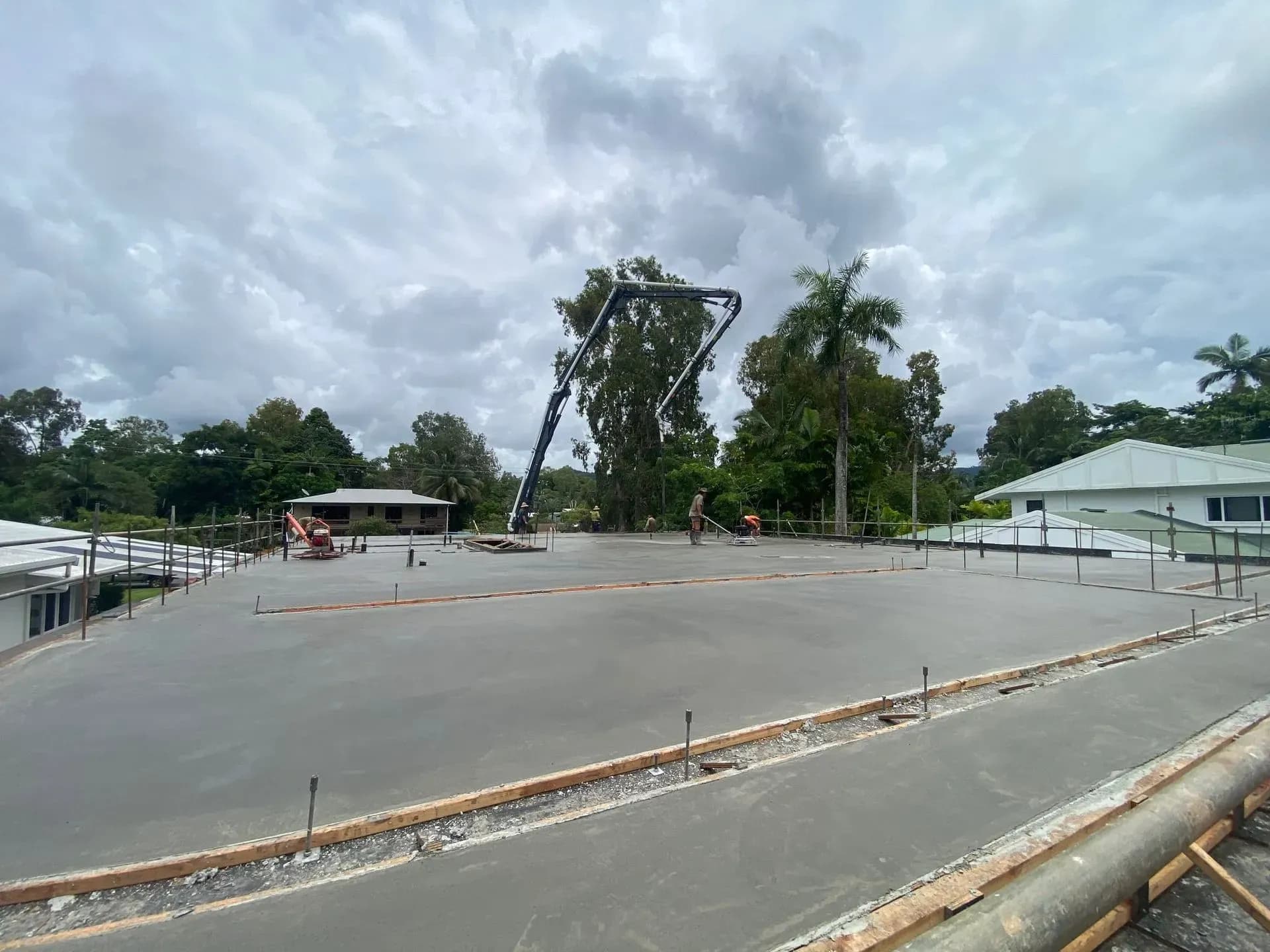
The height and position of the pour usually decide it. Our own guidance is to use a line pump when the pour sits at or near ground level and a boom when it is high, behind a building, or big enough that reach and speed matter. Under a high-set house, a line pump hosed down the side path is often the practical answer, and we describe our compact high-pressure line pump as suited to tight or sloped spaces. For a back-yard slab behind the roofline, a boom pump standing in the street can place concrete over the house; we run 31m, 28m and 20m booms, and the 31m reaches 31.0 m vertically and 26.3 m horizontally. Pumping over the house into the back yard is the request we hear most often in established Cairns suburbs, although every site still needs checking first.

Then there is the street. A boom needs room for its outriggers fully extended on firm, undisturbed ground. Queensland's concrete pumping code warns that a firm crust can hide soft or filled ground, so recently backfilled trenches are poor set-up spots. Cairns averages over 400 mm of rain in each of January, February and March, so our site-prep guide advises rechecking the set-up spot the day before after heavy wet-season rain. Where overhead lines run past the site, Queensland's code says the boom and drop hose should stay at least three metres from lines up to 132kV, with greater distances above that. On a narrow street, the person in control of the site may also need a road or footpath closure from the relevant authority, so it is worth asking early.
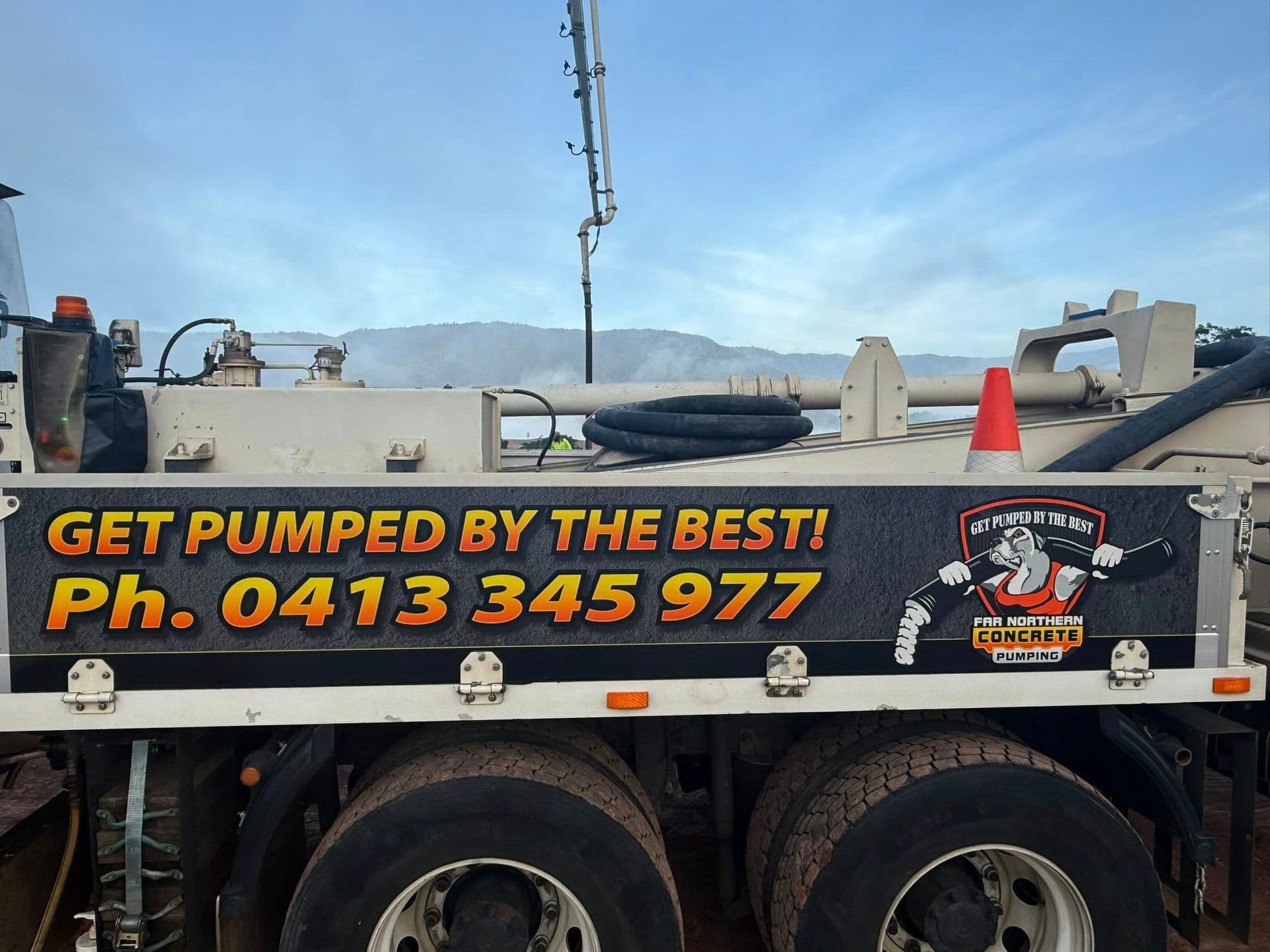
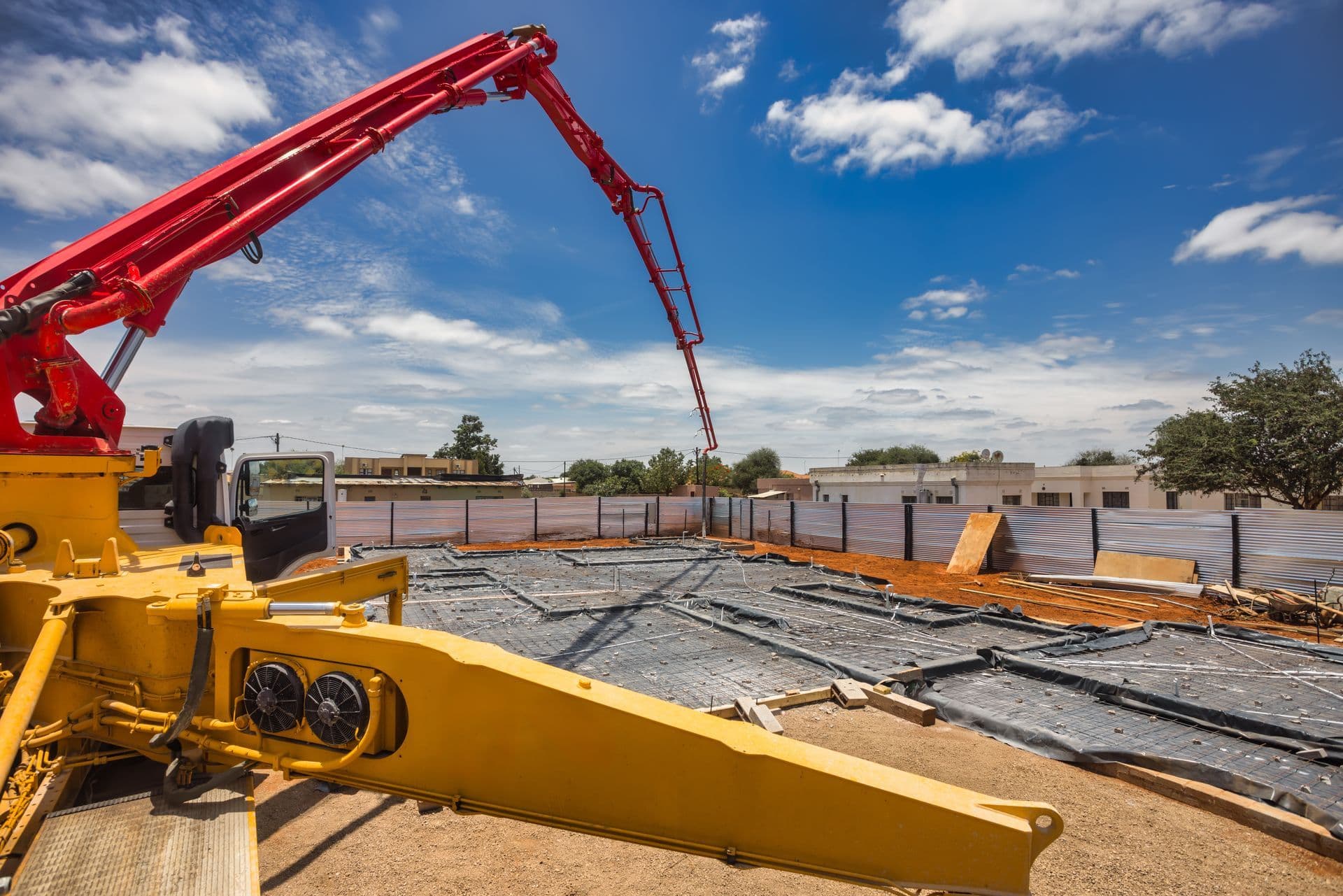
Concrete Pump Truck Pouring Concrete — Far Northern Concrete Pumping, servicing Parramatta Park QLD

Common pour problems on Parramatta Park streets

The pour is in the back yard and the agitator truck cannot get anywhere near it

Why it happens
Character-area lots are generally 10 to 20 metres wide with side setbacks of about 1 to 5 metres, and attached and infill dwellings make up much of the suburb.
Why it matters
Barrowing a slab down a narrow side path is slow, and rear-lot and infill pours may have no truck access to the formwork at all.
What we do
We look at photos of the side access and the roofline, then suggest either a line pump run down the side or a boom placing over the house from the street.

Building in under a high-set house leaves very little room to work

Why it happens
Council describes Parramatta Park's character areas as mostly high-set, pre-war timber houses, with some already enclosed underneath.
Why it matters
A boom suits pours that are high or behind a building, not a ground-level slab under a raised floor, so the wrong pump wastes the booking.
What we do
For ground-level pours under the house we usually point to a line pump, including our compact high-pressure unit for tight spaces.

Overhead power lines run along the street and into the house

Why it happens
Where overhead street or service lines run in front of the house, they can sit in the path of a boom set up in the street to reach the pour.
Why it matters
Queensland's code says the boom and drop hose should stay at least three metres from lines up to 132kV, which can rule out a boom position.
What we do
We ask you to flag overhead lines, trees and fences when booking, and recommend arranging de-energising or rerouting with the electricity provider early if needed.

The ground where the outriggers should go is soft after rain

Why it happens
Cairns averages over 400 mm of rain a month from January to March, and recently dug or filled ground can hide soft soil under a firm crust.
Why it matters
The code warns an outrigger punching into soft ground may cause the pump to overturn.
What we do
We need firm, undisturbed ground with room for the outriggers fully extended, and our site-prep guide advises rechecking the spot the day before after heavy wet-season rain.

There is no room in the street for the pump, the agitator and parked cars

Why it happens
Short front setbacks, small or absent car storage and narrow lots push vehicles onto the street.
Why it matters
A boom needs enough space to set up and pack up, which may mean a road or footpath closure from the relevant authority.
What we do
We ask you to keep the outrigger footprint clear of parked cars and to check early whether a closure might be needed for your street.
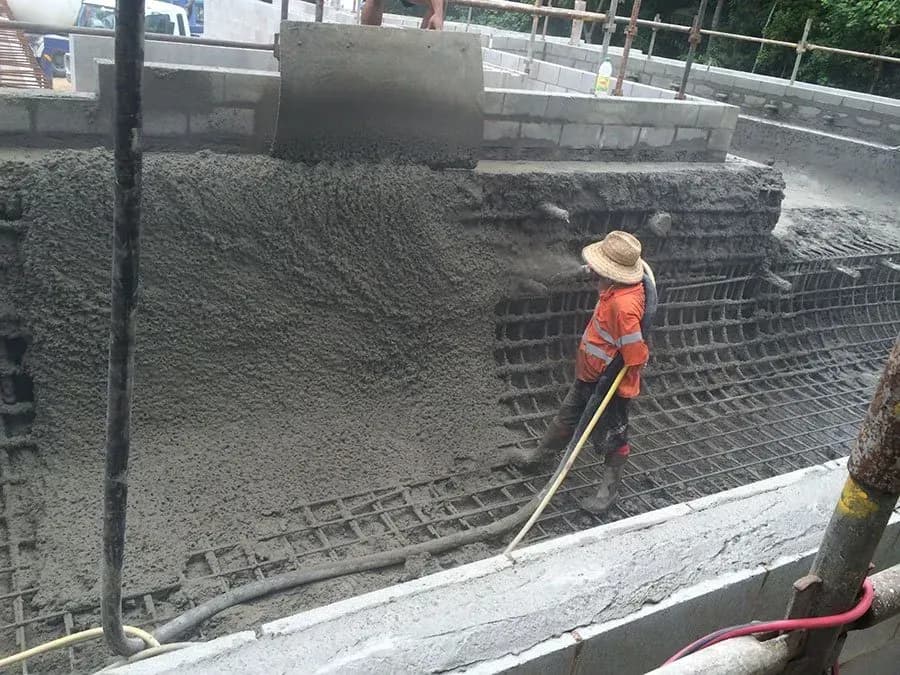
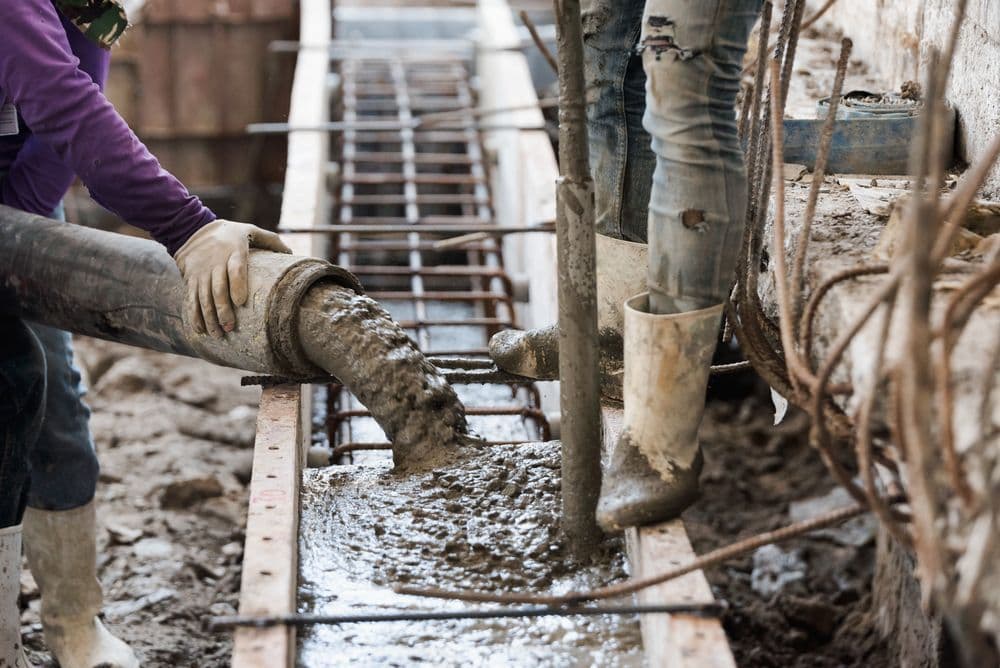
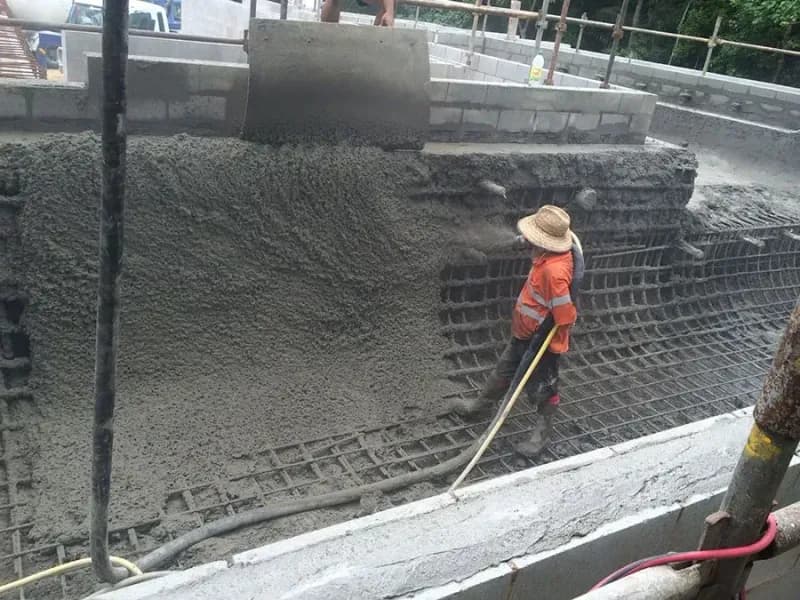
Concrete Being Poured for a Foundation — Far Northern Concrete Pumping, servicing Parramatta Park QLD

Our concrete pumping services in Parramatta Park

Boom Pump Hire

For back-yard slabs behind a high-set roofline, a boom set up in the street can place concrete over the house, provided there is outrigger room and three metres of clearance from overhead lines.

See our booms

Line Pump Hire

Suits ground-level pours under a high-set house or down a 1 to 5 metre side path, where a boom has nowhere to work.

Line pump or boom?

Residential Concrete Pumping

Small pours count: paths, patios and slabs for enclosing under an older high-set timber home are the kind of renovation work this housing calls for.

Residential pumping

Commercial Concrete Pumping

Infill and townhouse slabs on shared lots often have no truck access to the formwork, so the pump is planned around the common driveway and street space.

Commercial pumping

Why choose Far Northern Concrete Pumping

Far Northern Concrete Pumping is a locally owned business based in Mareeba, servicing Cairns suburbs as part of a regular Cairns run. Our fleet includes 31m, 28m and 20m boom pumps plus line pump capacity, so the pump can be matched to the job rather than the other way round. We take small pours as well as slabs: patios, paths, shed floors and pool surrounds are regular work. Our published site-preparation guide sets out what we need on pour day, including room for fully extended outriggers on firm, undisturbed ground and a recheck after heavy wet-season rain. The same guide keeps booms at least three metres from power lines up to 132kV, matching the figure in Queensland's Concrete Pumping Code of Practice. Under that code, concrete placing boom operators must hold a high risk work licence, and you can ask any operator to show theirs before the pour.

Before you lock in a pour date, send us photos of the house, the pour area and the street out the front, and point out any overhead lines, trees or recent digging. That lets us confirm whether a line pump or a boom suits your lot and where it can stand. If your pour falls between January and March, book ahead and keep a back-up day in case of heavy rain.

Send your site photos
Concrete Pump Truck Pouring Concrete — Far Northern Concrete Pumping, servicing Parramatta Park QLD

Parramatta Park concrete pumping FAQs