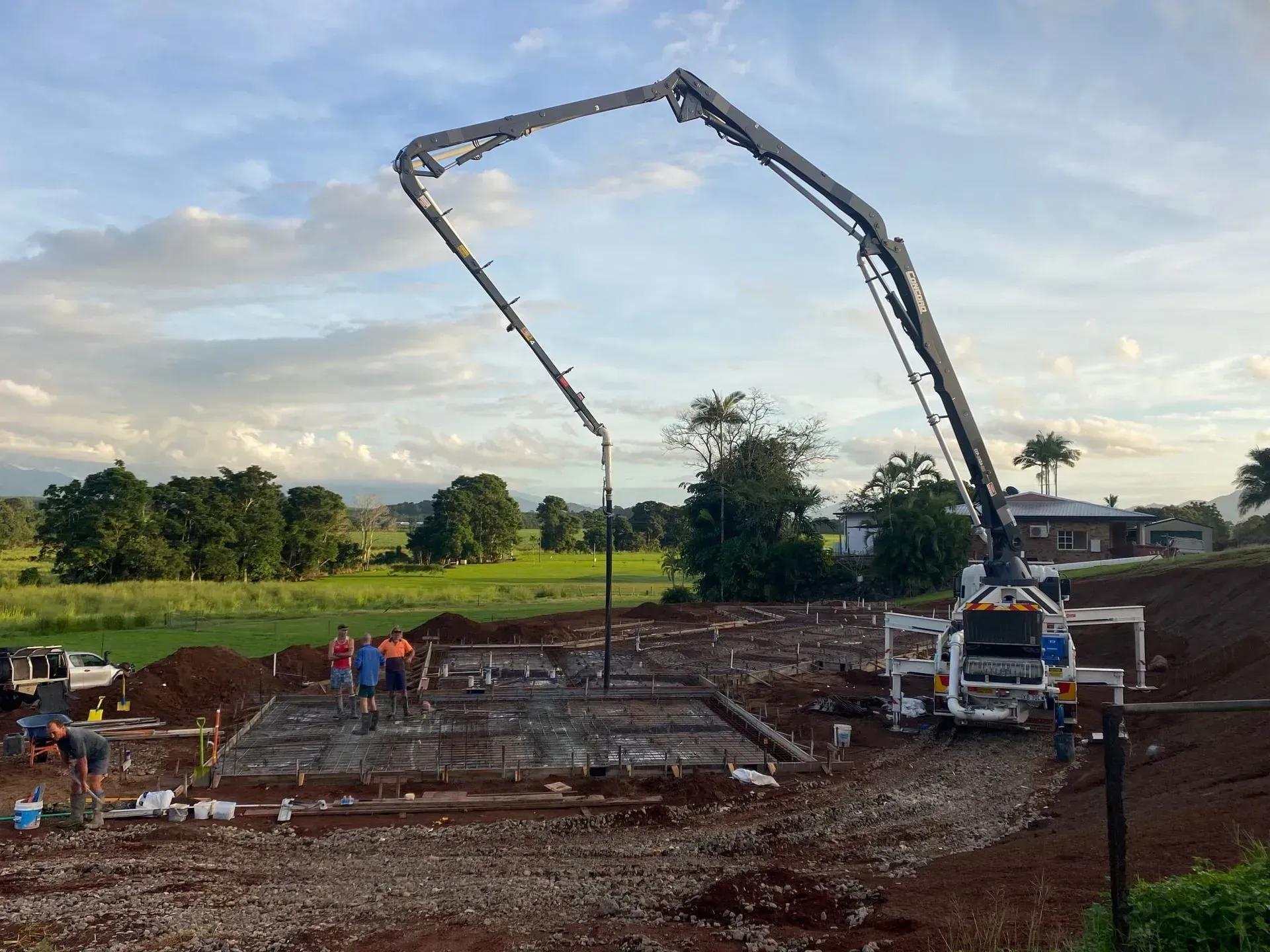
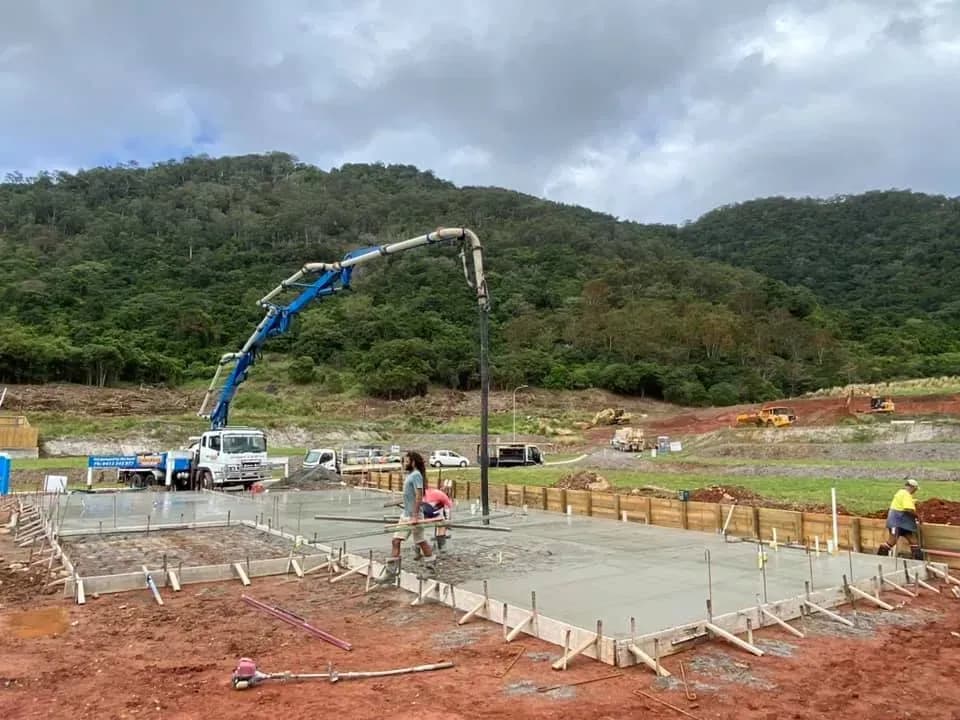
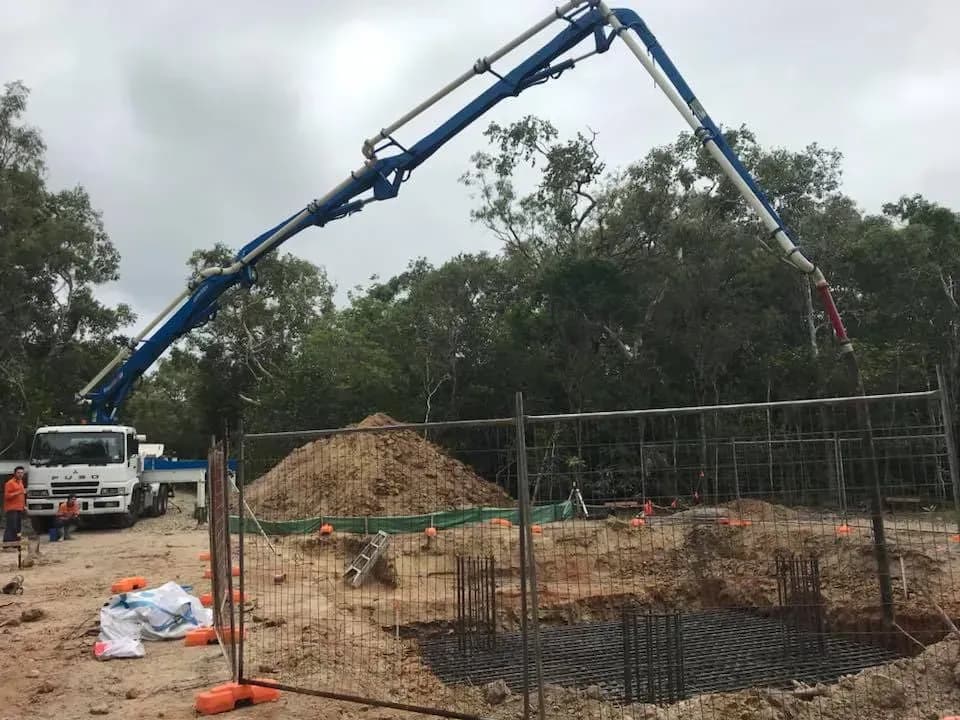
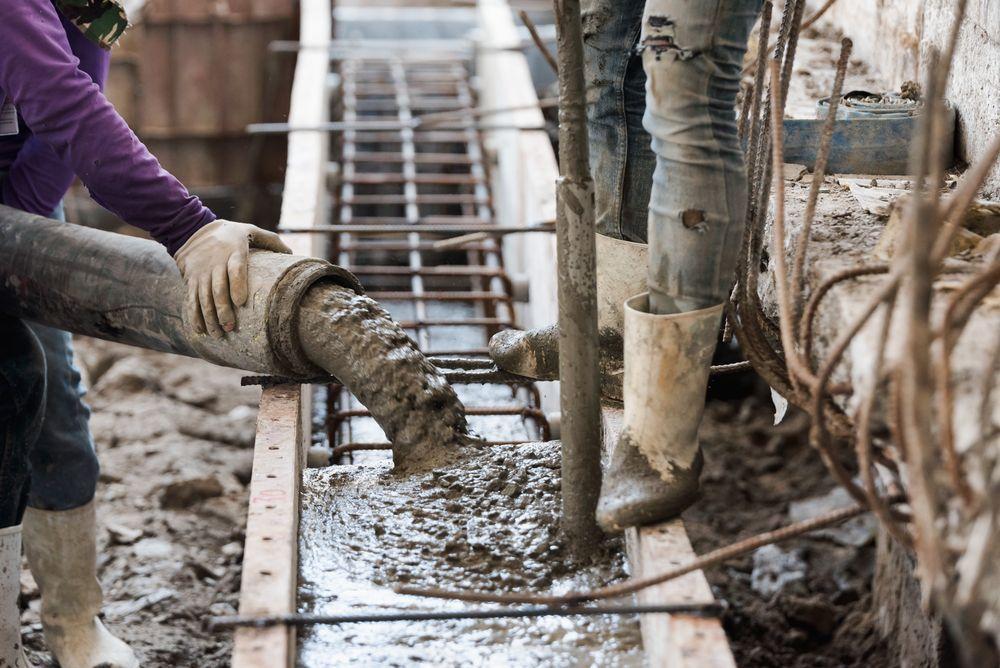
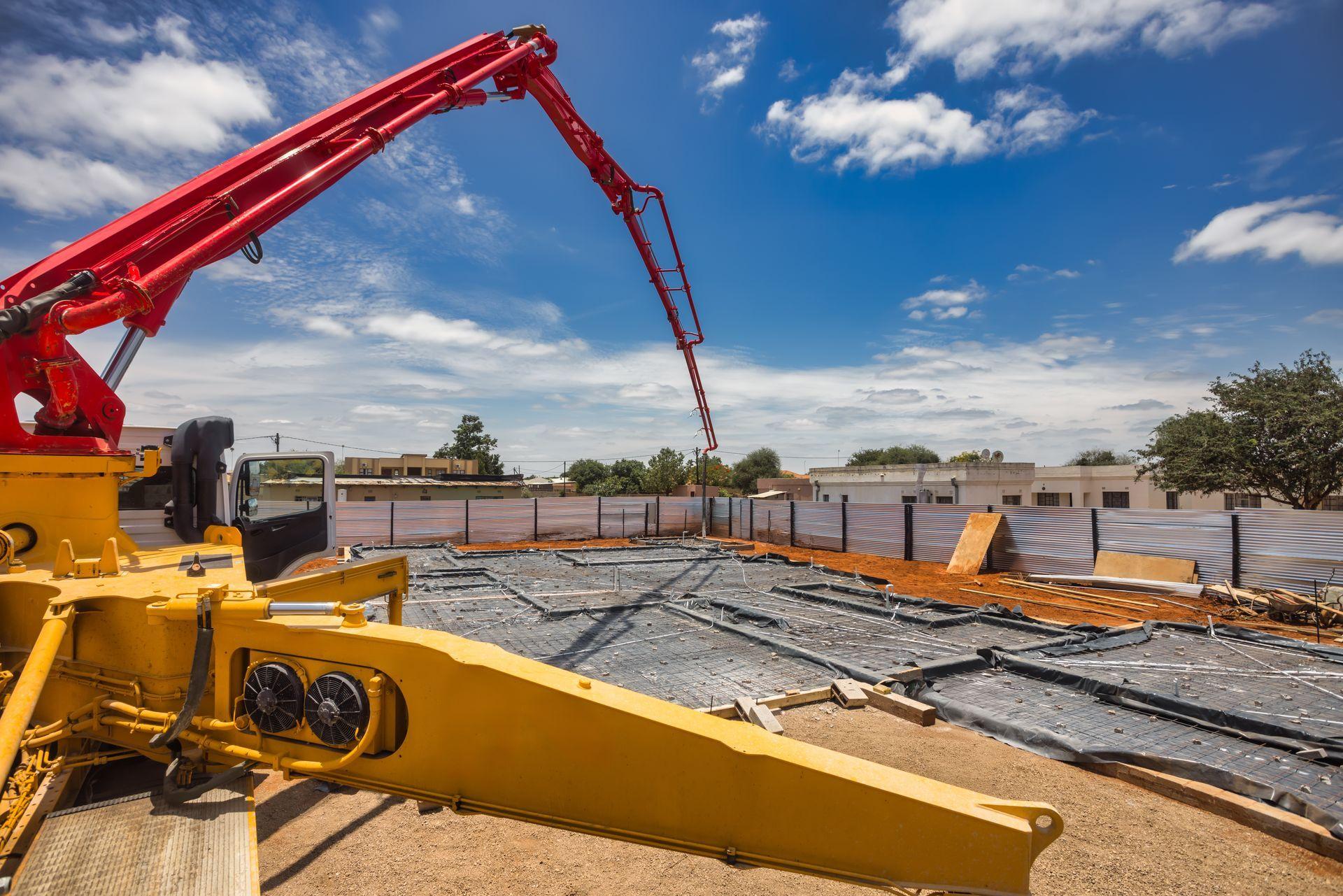
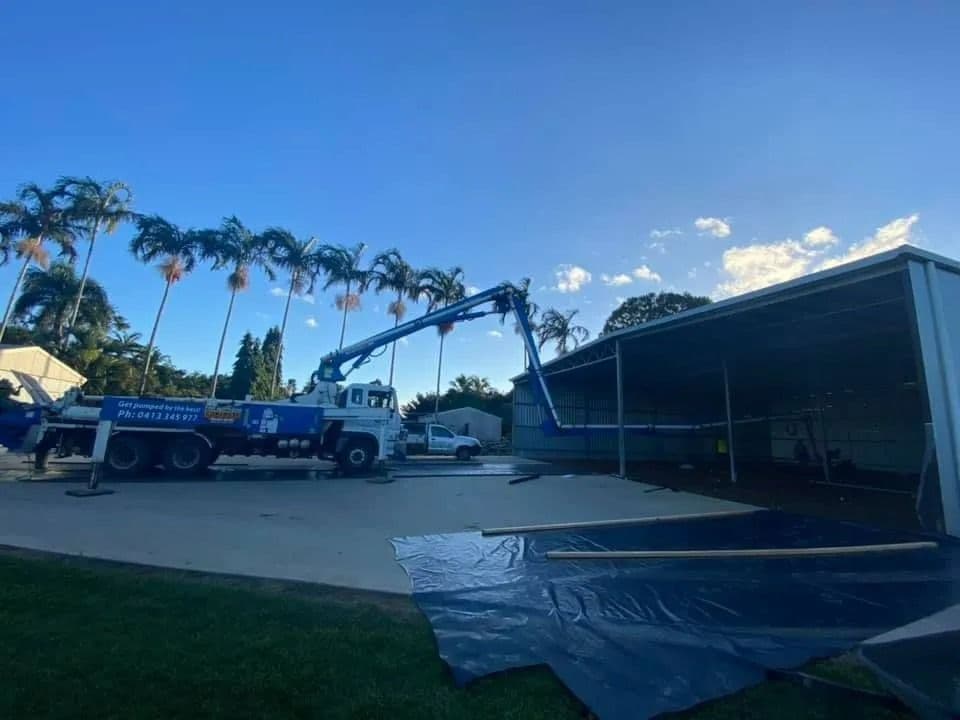
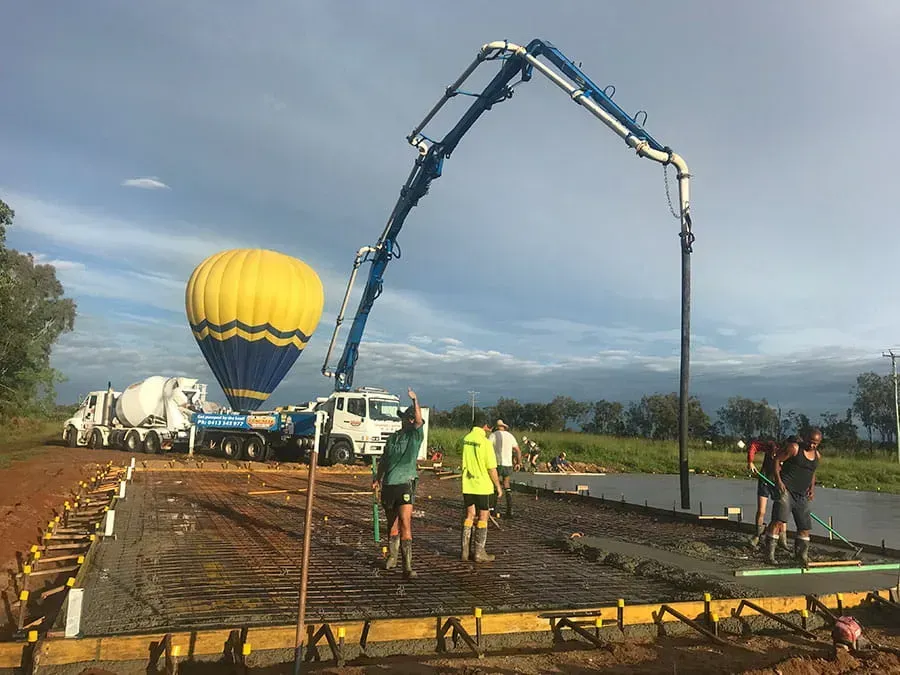
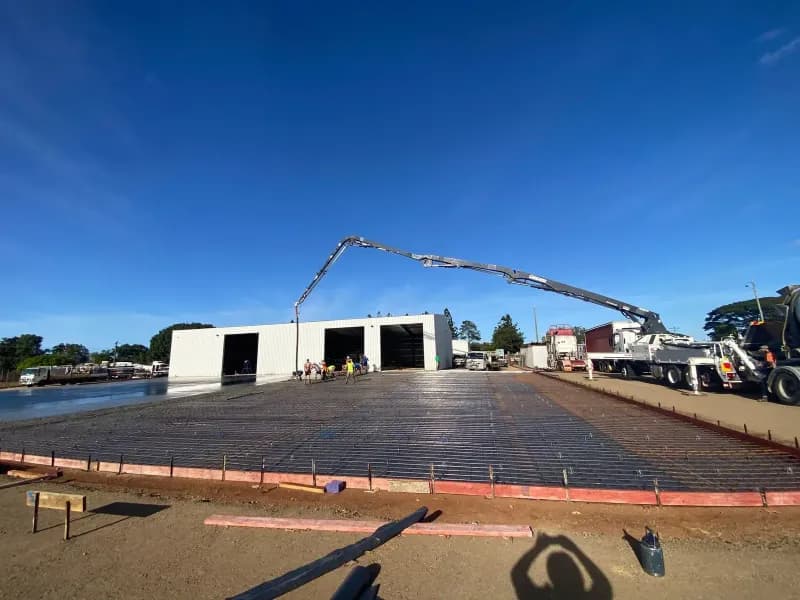
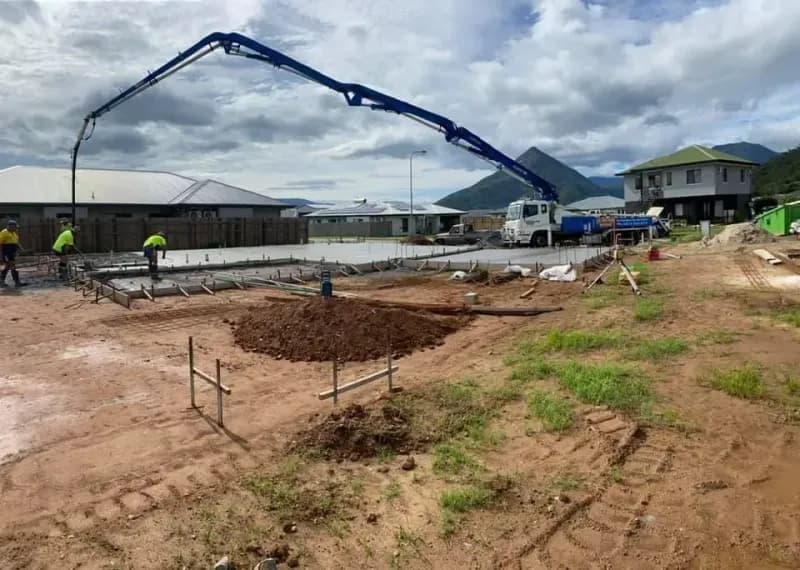
About seven in ten Freshwater homes were owner-occupied at the 2021 Census, with 31.3% owned outright and 38.4% owned with a mortgage. On a separate house, that usually points to improvement work on a lived-in home: a patio off the back, a garden path, a small shed slab, a driveway or a pool surround. Those pours tend to sit behind the house. If a hose can be laid along the side at ground level, a line pump is the simpler choice; if the pour is behind the building, raised or large, a boom can stand out front and reach over. Going by Putzmeister's published figures, a 31 metre class boom reaches about 26.3 metres horizontally, or about 23.5 metres from the front of the truck, but usable reach depends on where the outriggers can go, so we measure from the set-up point to the pour rather than promise a number.
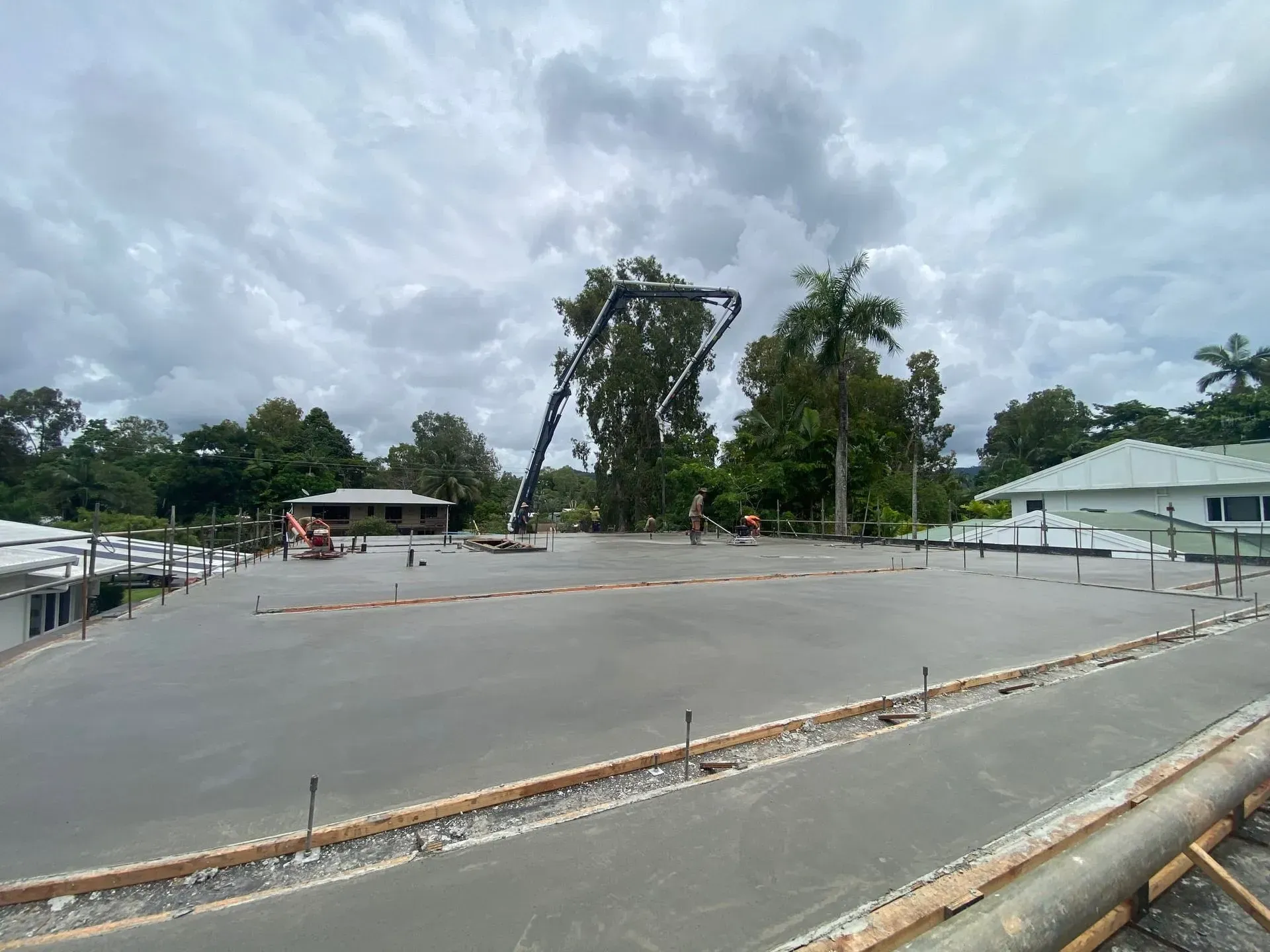
Flats and apartments made up about a third of occupied dwellings. A pour at a unit block, such as a replacement path or a courtyard slab, rarely comes with its own space to park a pump. The likely set-up is the street or a shared driveway, so check with your body corporate or strata manager about where the truck can stand. A boom working from the street, or a line run through the grounds, keeps the truck off common property for the whole pour.
Dwelling size is just as mixed. Two-bedroom homes were the largest group at 33.6%, with three-bedroom (32.5%) and four-or-more-bedroom homes (32.1%) close behind. A courtyard slab for a two-bedroom unit and a pool surround for a family home need different volumes and often different pumps. Send the pour size with your photos and we will confirm which pump fits.
Then there are rentals, 28.8% of occupied dwellings at the Census. If you are a tenant planning a path or slab, check with your property manager or the owner before you book.
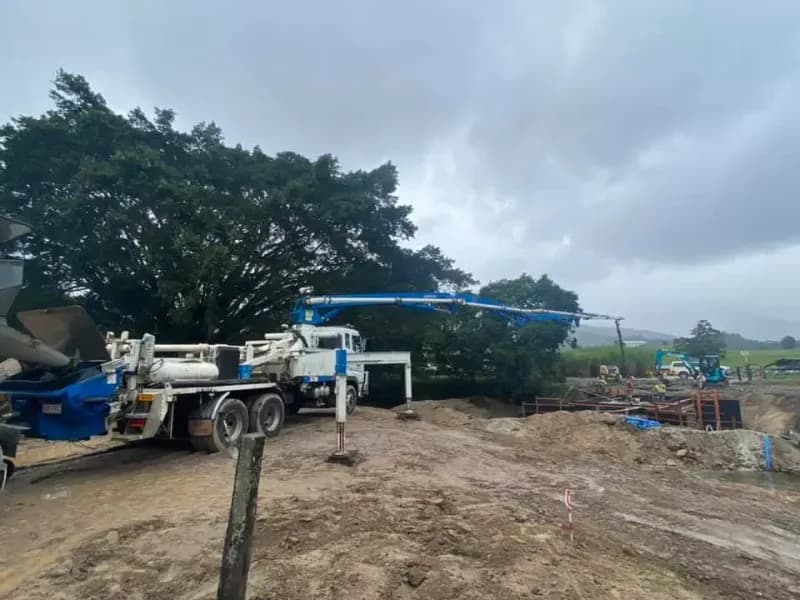
Every one of these sites shares one requirement: firm, level ground for the outriggers, clear of excavations, backfill and soft ground. After wet-season rain that ground can change, because WorkSafe Queensland notes saturated earth dramatically reduces bearing capacity and ground beside slabs and paving can be softer from run-off. Council's 1% AEP flood map covering Freshwater, Stratford and Aeroglen is indicative only; owners on lower ground can check it or request a property flood search from Council, with fees applying.