

In brief
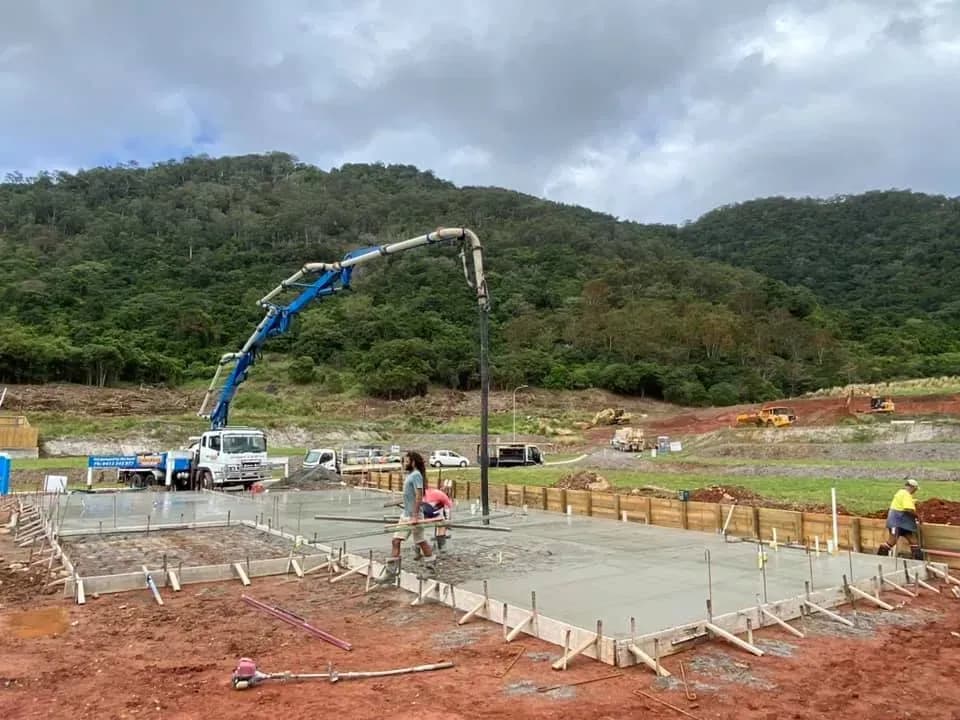
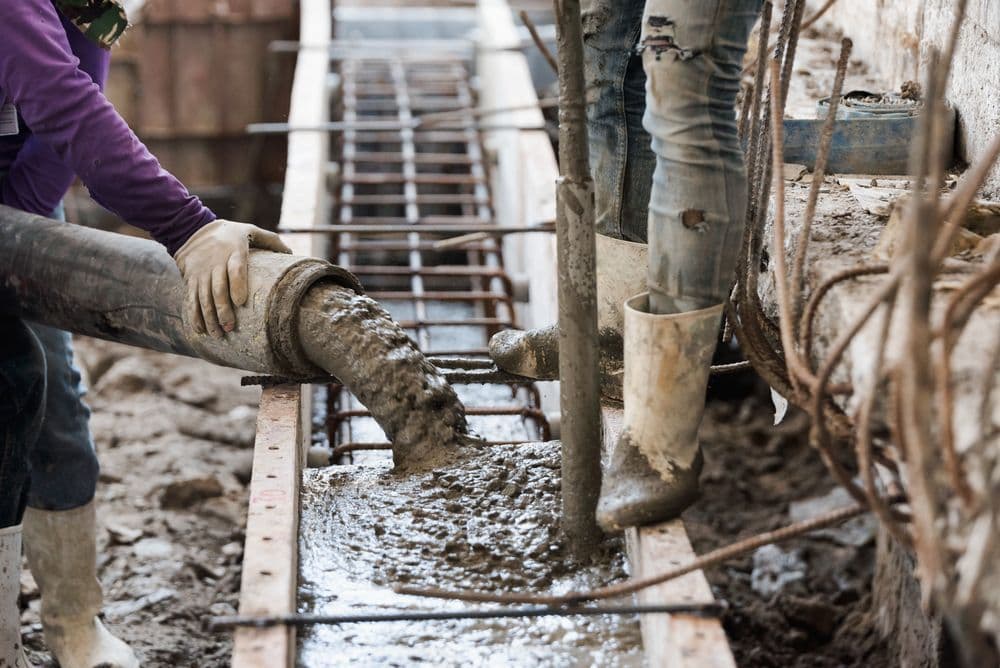
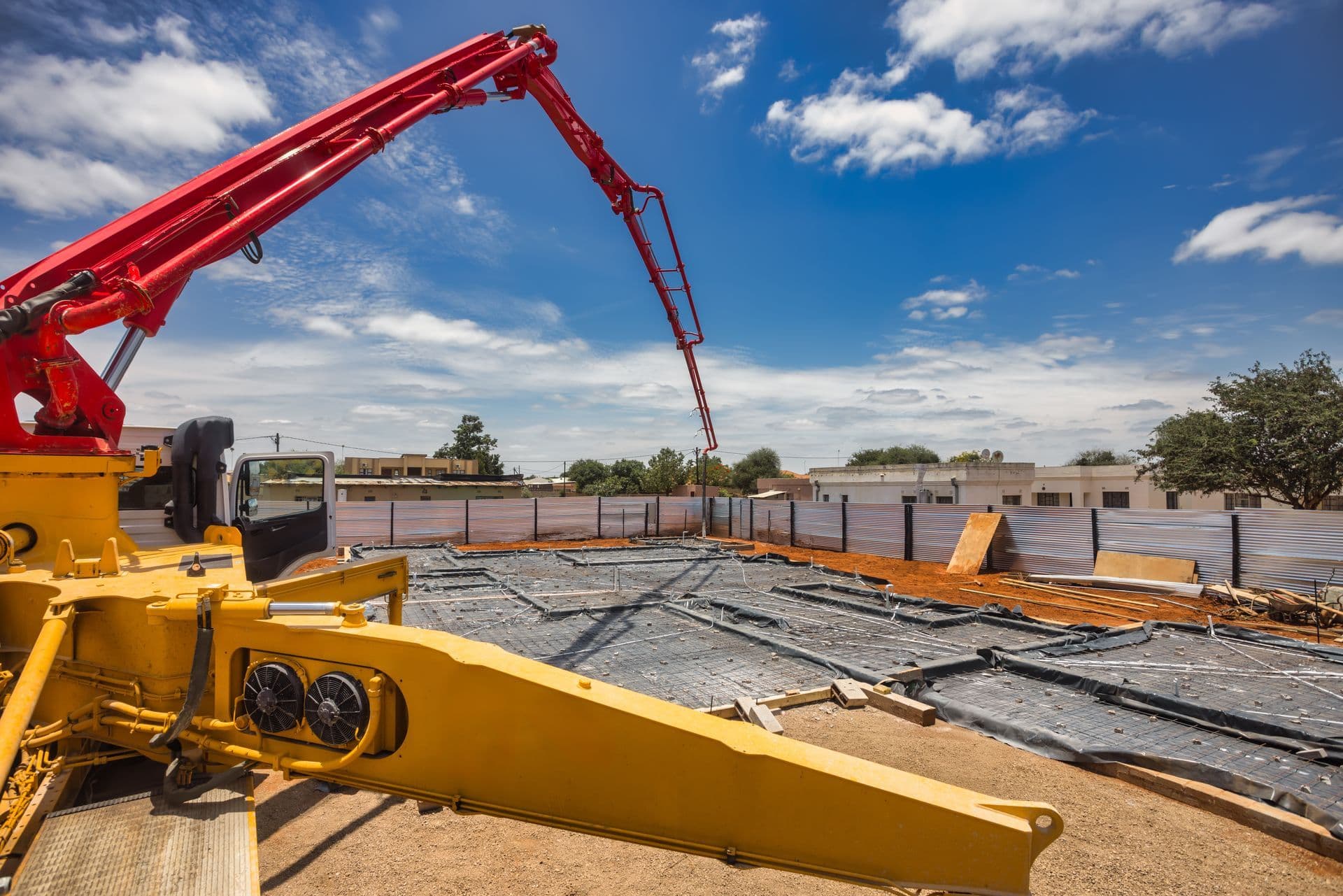
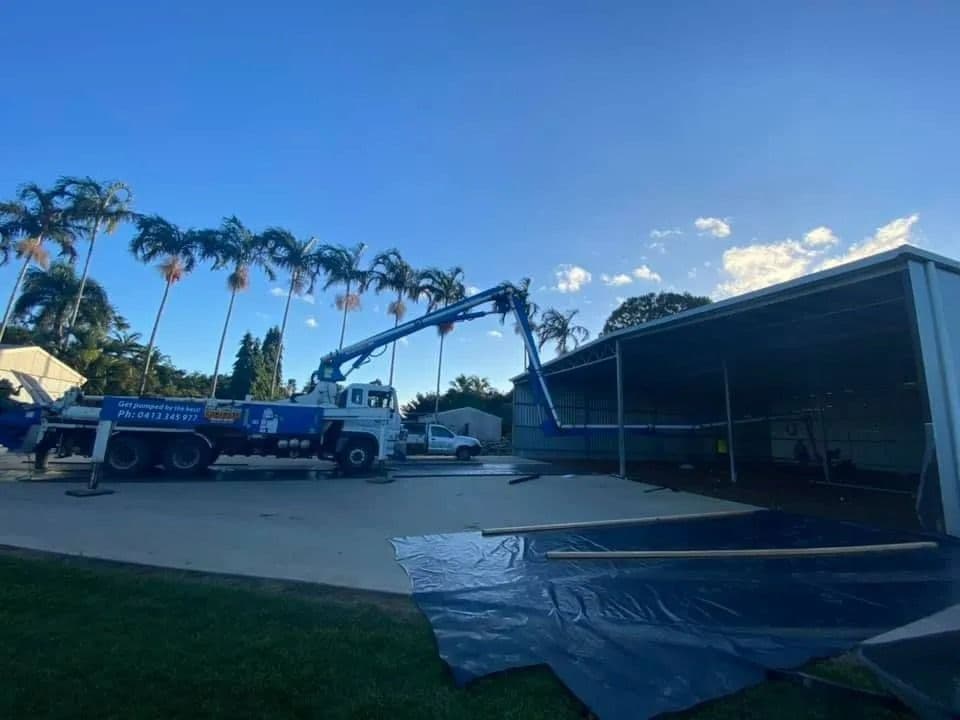
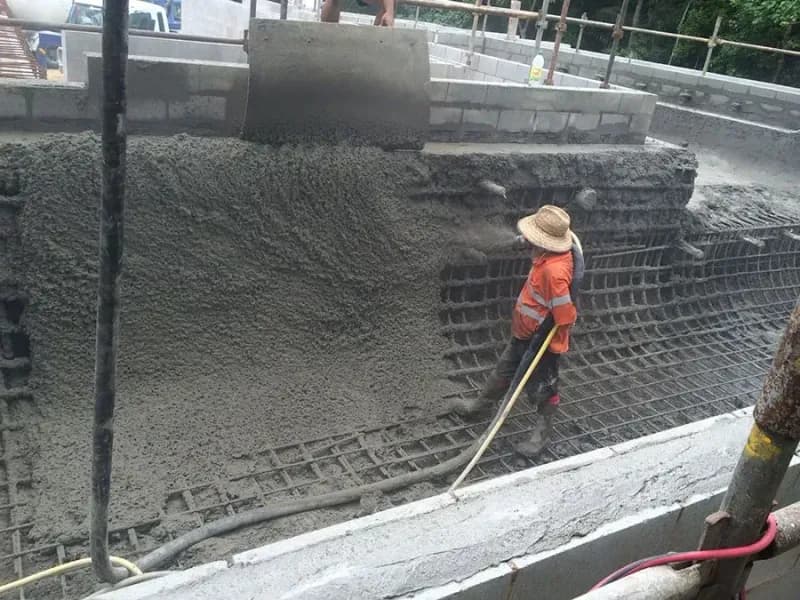
Pump mix concrete is premixed concrete designed to pass through a pump and its line without separating or blocking. It is not a strength grade: order the grade on your plans, then tell the plant the pump type, line size and slump.
On this page
Pump mix in one answer
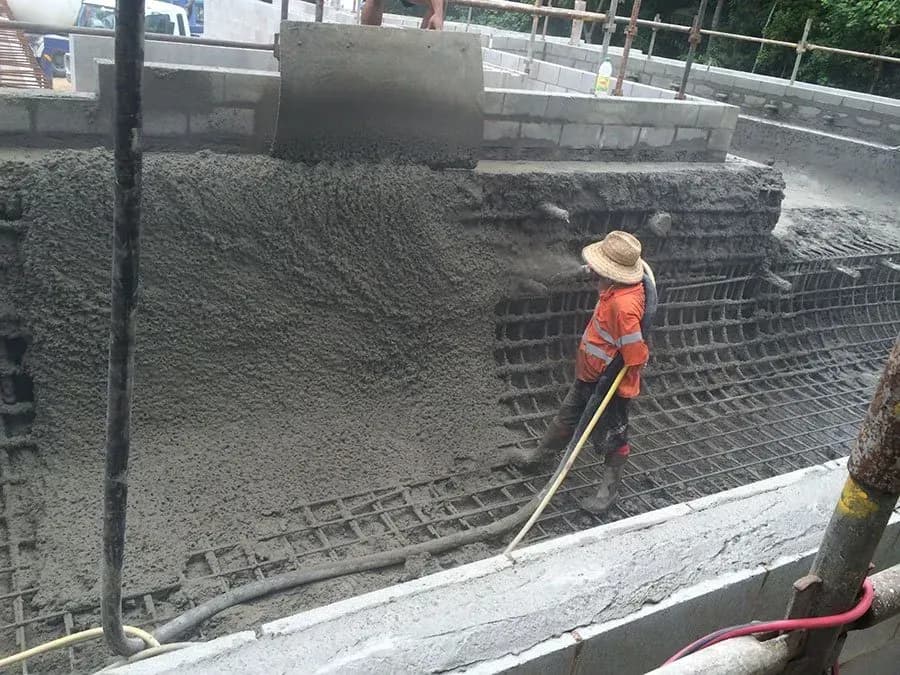
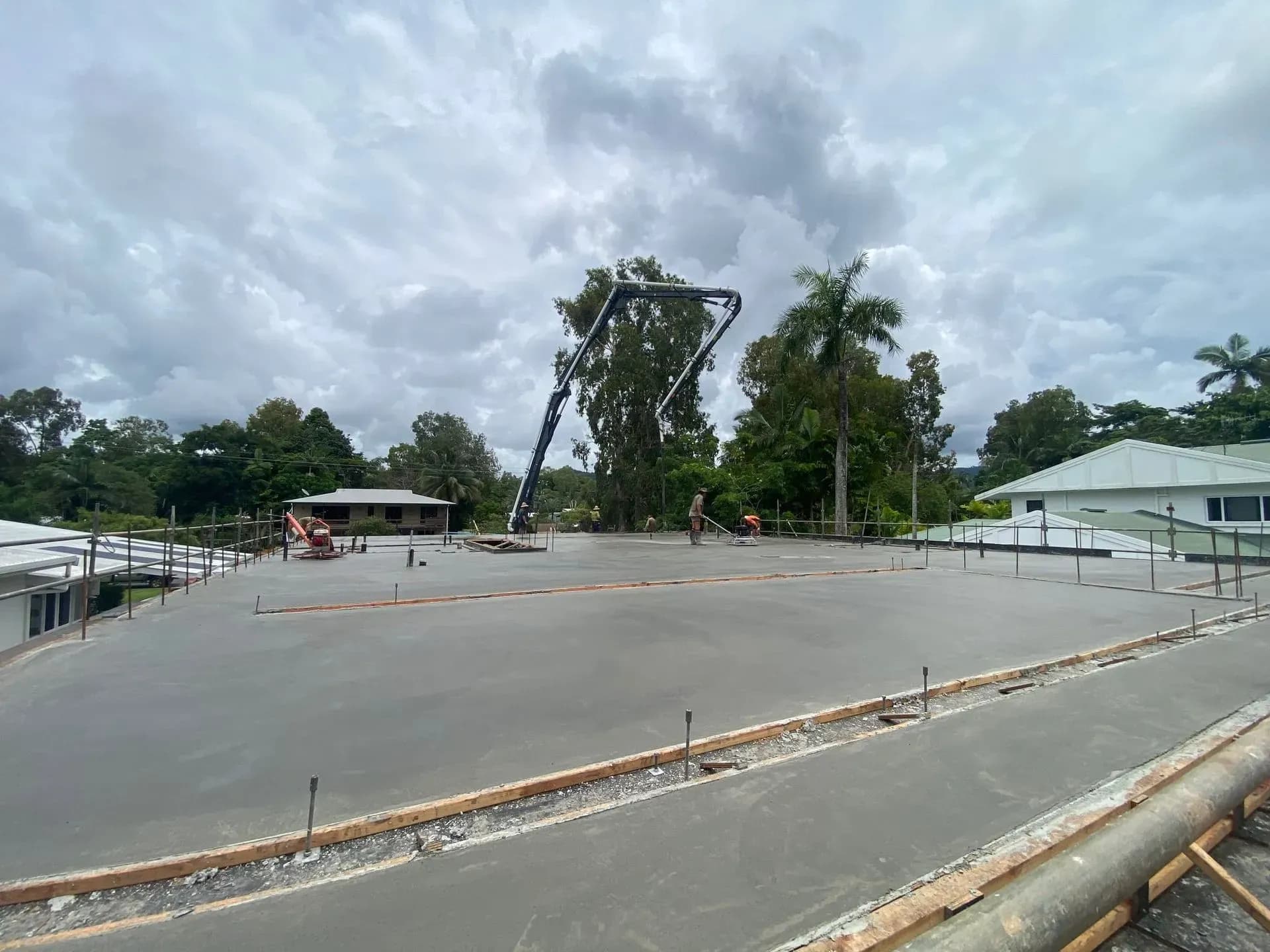
Pump mix is concrete whose mix design has been set for placing by pump rather than straight off the truck chute. Hunter Readymixed Concrete puts it simply: using a pump requires a specially designed concrete mix that will pass through the pump and pipeline properly. Queensland's Department of Transport and Main Roads takes the same line on road and bridge contracts, where its MRTS70 concrete specification allows concrete pumps only when a mix designed for that placing has been approved.
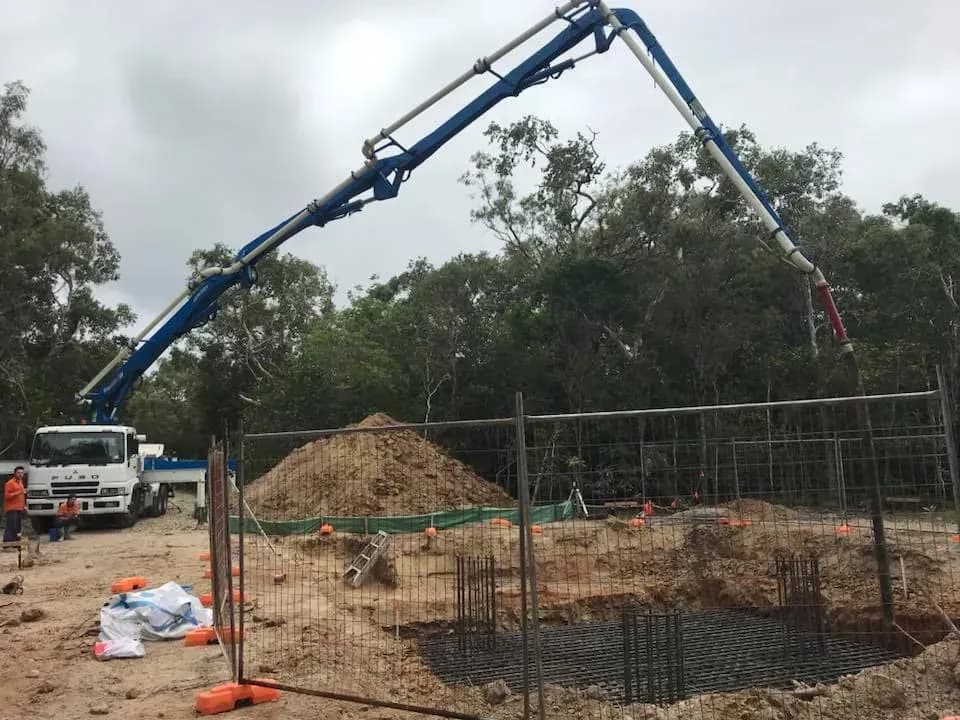
The important part for anyone booking a pump is that pump mix is an instruction to the batching plant, not a product you pick off a shelf. Cement Concrete & Aggregates Australia (CCAA) says the supplier needs to know how the concrete will be placed, because the method influences the mix design, and that for a pump the type of pump and the size and length of line should be specified. Our own equipment notes say the same thing from the pump side: certain pumps may perform better with specific consistencies or aggregates.
How pump mix differs from a standard mix
A pump mix differs from a chute mix in how it flows and holds together, not in the strength grade printed on the plans. In Australia, concrete is supplied as one of two classes, normal class and special class. Normal class is the most commonly used, and the method of placement (chute or pump) is one of the details you give the supplier when ordering it. Holcim notes that pumping, site practices and placing demands often require higher slumps, so a pump order may need a higher slump than the 100 mm CCAA says is generally specified for house slabs and footings.
Wetter is not the whole story, because the mix also has to stay together under pressure. CCAA's Concrete Basics explains that well graded aggregates give a more cohesive mix, too much coarse aggregate gives a boney mix, and a mix with too much water will not be cohesive and may segregate. The American Concrete Pumping Association (ACPA) adds a pump operator's view:
- Cement acts as the sliding agent in concrete, while sand is abrasive.
- Aggregate can absorb large amounts of water under pump pressure, which can cause a blockage.
- ACPA cites ACI 304, a US guide, in suggesting the largest angular coarse aggregate be limited to one third of the smallest inside diameter of the delivery line.
That last point is United States guidance, so treat it as a rule of thumb rather than an Australian requirement.
Normal class and special class: the types of concrete mix
In Australia, premixed concrete is ordered in three ways: normal class, special class specified by performance, and special class specified by prescription. CCAA's Ordering Premixed Concrete data sheet explains that AS 1379 has concrete specified as either normal class or special class, and that a special-class order must be further qualified as performance or prescription. Normal class covers the standard grades, N20 to N50, with slump and aggregate size chosen within set limits. Special class is for concrete whose properties fall outside those limits, such as colour, a specific drying shrinkage, high early strength, lightweight aggregate or specialist cement. If a property other than strength grade is set as the main basis for the mix proportions, the order becomes prescription class. A pump mix is not a fourth type: it is any of these, ordered with the placement method noted so the plant can design for the pump.
What slump means and how it is measured
Slump is a measure of how far a cone of fresh concrete sags, and it tells you the concrete's workability: how easy it is to place, handle and compact. CCAA's Concrete Basics describes the test, which is set out in AS 1012.3.1. A standard cone, 100 mm across the top, 200 mm across the bottom and 300 mm high, is filled in three layers, each rodded 25 times. The cone is lifted straight up, the drop is measured several times and the average is reported.
For accepting or rejecting a load, the sample is taken after 0.2 m3 has been discharged. If a sample falls outside tolerance another is taken, and if that also fails, the rest of the batch should be rejected. The table shows how the numbers on an Australian order and docket read.
Reading slump figures on an Australian concrete order
| Slump figure | What it means | Source |
|---|---|---|
| 20 to 120 mm, in 10 mm steps | The range you can specify for normal-class concrete | CCAA, AS 1379 |
| 40 mm | Fairly stiff and much harder to work | Hunter Readymixed |
| 100 mm | Easily workable; supplied for residential slabs and footings if no slump is specified | Hunter Readymixed, CCAA |
| 100 mm ordered, 80 to 120 mm tested | Within the AS 1379 tolerance for a 100 mm order | CCAA |
| Above 120 mm, e.g. 180 mm | Outside the normal-class range, so the concrete becomes special class | CCAA |
Slump and pumping: what to ask for when you order
The Australian guidance cited here gives no single slump for pump mix: for normal-class concrete you choose one target figure between 20 and 120 mm, and the plant designs the mix to hit it. CCAA notes that pumping frequently demands a higher slump than the 100 mm generally specified for house slabs, and that the supplier targets the figure you give rather than a range. Holcim says it needs to know the placement method, the type of pump and the size and length of the line, and that the rate of placement should be specified so deliveries can be scheduled to match. Use this as a checklist on the phone to the batching plant.
What to tell the batching plant when a concrete pump is booked
| Item | What to give them | Why it matters |
|---|---|---|
| Strength grade | The grade on your plans, e.g. N25 or N32 | Set by the designer, not changed for the pump |
| Placement method | Pump | Placement method influences the mix design |
| Pump and line | Boom or line pump, line size and length | These affect the mix design |
| Slump | A single target value | Plant targets one figure; AS 1379 allows a tolerance, e.g. 80 to 120 mm on a 100 mm order |
| Aggregate size | Only if needed; 20 mm is standard, 10 or 14 mm on request | Size can depend on placement method and reinforcement spacing |
| Rate of placement | How fast the pump will place it | So trucks arrive to match |
Why adding water on site causes problems
Adding water to a truck on site makes concrete flow more easily, but it lowers the strength and durability of the concrete. CCAA's guidance is blunt: never try to make a mix more workable by just adding water, because it lowers the strength and durability of the concrete. The lower the water to cement ratio, the stronger the concrete, and extra water also makes the mix less cohesive and prone to segregating. Holcim says water should not be added on site to increase slump because it can compromise concrete quality.
CCAA says that under no circumstances should an 80 mm slump be ordered and then raised with water on site. Water added without the supplier's approval is called excess water, and adding it at the customer's request may require a signature and may void the supplier's warranty. CCAA's alternatives to water for a more workable mix are more cement paste, well graded aggregate or a plasticiser admixture, which ACPA also prefers to water.
Hot weather adds to the pressure. Concrete Basics warns that delays dry out and stiffen concrete faster on hot or windy days, so plan truck spacing rather than reaching for the hose. On Queensland TMR work, MRTS70 allows water to be added on site only when slump is below tolerance or workability needs lifting, caps it at 10 litres per m3, requires it to be recorded on the delivery docket, and bans adding water to offset long travel or wait times.
What pumped concrete costs per cubic metre
Pumped concrete has no single price per m3, because it is two separate bills: the concrete from your premix supplier and the pump that places it. The concrete is quoted by your premix supplier, separately from the pump. Our own pricing depends on the pump required, the volume being placed and how long we are on site, so we ask for the location, the type of pour and the volume your supplier has quoted before we give a figure. Our concrete pump hire cost guide breaks down the charges that make up a pump bill and the supplier fees that sit alongside it.
Who decides the strength of your concrete
The strength of your concrete is decided by whoever designed the job, and ordering a pump mix does not change it. CCAA notes that AS 1379, Specification and supply of concrete, sets the minimum requirements, and that the class and all other requirements should be set out on the plans or specification and not varied without the designer's approval. Your role when booking a pump is to pass on the placement details so the plant can hit that grade with a mix that pumps.
How we handle the mix side of a pump booking
Far Northern Concrete Pumping has operated since 2014 and is based in Mareeba, and our team brings more than 15 years of experience to residential, commercial and civil pours. From Mareeba we cover the Tablelands, Cairns and its suburbs, the coast north to Port Douglas and Cooktown, and south through Innisfail and Tully. We match the machine to the job rather than sending whatever happens to be free, and before any job we assess the worksite and decide how to pump it. That choice feeds straight into your concrete order, because certain pumps may perform better with specific consistencies or aggregates. Once we have confirmed which pump is coming, pass its type and line details to your plant along with the slump you want. Every operator is fully licensed and high-risk certified. You can read more about our team.
Next steps
The pump you book shapes the mix you order, so settle the pump first. Our guide to line pump vs boom pump explains the difference, and how far a concrete pump can reach covers boom and line pump reach. For residential, commercial and civil pours, see our concrete pumping service, including Cairns concrete pumping. When you have the volume from your supplier, contact us to book.
Sources
- Ordering Premixed Concrete (data sheet, September 2017), Cement Concrete & Aggregates Australia. Accessed 4 October 2026.
- Concrete Basics: A Guide to Concrete Practice (seventh edition, February 2010), Cement Concrete & Aggregates Australia. Accessed 4 October 2026.
- 5 Essential Things You Need to Know When Ordering Premixed Concrete, Holcim Australia. Accessed 4 October 2026.
- Ordering Premixed Concrete, Hunter Readymixed Concrete. Accessed 4 October 2026.
- Technical Specification MRTS70 Concrete (July 2022), Queensland Department of Transport and Main Roads. Accessed 4 October 2026.
- Concrete 101: A guide to understanding the qualities of concrete and how they affect pumping, American Concrete Pumping Association. Accessed 4 October 2026.