In brief
Yes, if the pump has a boom. In Queensland, anyone operating a concrete placing boom, including a truck mounted boom pump, needs a PB high risk work licence, with limited exceptions such as a trainee supervised by a licence holder. A line pump has no boom, so the PB class does not fit it, but the Concrete Pumping Code of Practice 2019 still expects every pump operator to be trained, assessed and competent.
On this page
The short answer
A concrete boom pump operator needs a licence; a line pump operator should be trained and assessed as competent. WorkSafe Queensland states it plainly: to operate a concrete placing boom you need a PB high risk work licence, and Safe Work Australia also says anyone who operates a concrete placing boom needs a high risk work licence. The licence class follows the boom, not the truck, so it covers static and truck mounted placing booms alike.
This guide is written for the builder, concreter or owner who is hiring a pump. If you control the site, Queensland's code of practice gives you duties too: you must consult the pumping business about risks and you have planning jobs to do before the trucks arrive. The pumping business that controls the boom must not let an unlicensed worker run it, so it is worth checking the licence yourself. The sections below cover which licence applies to which pump, what the code expects from each party, and the questions worth asking before you book.
The concrete placing boom (PB) high risk work licence
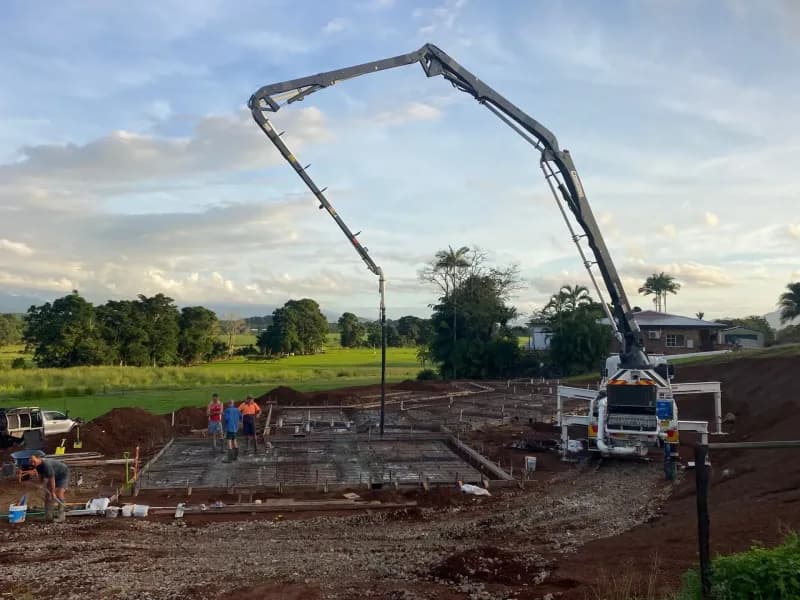
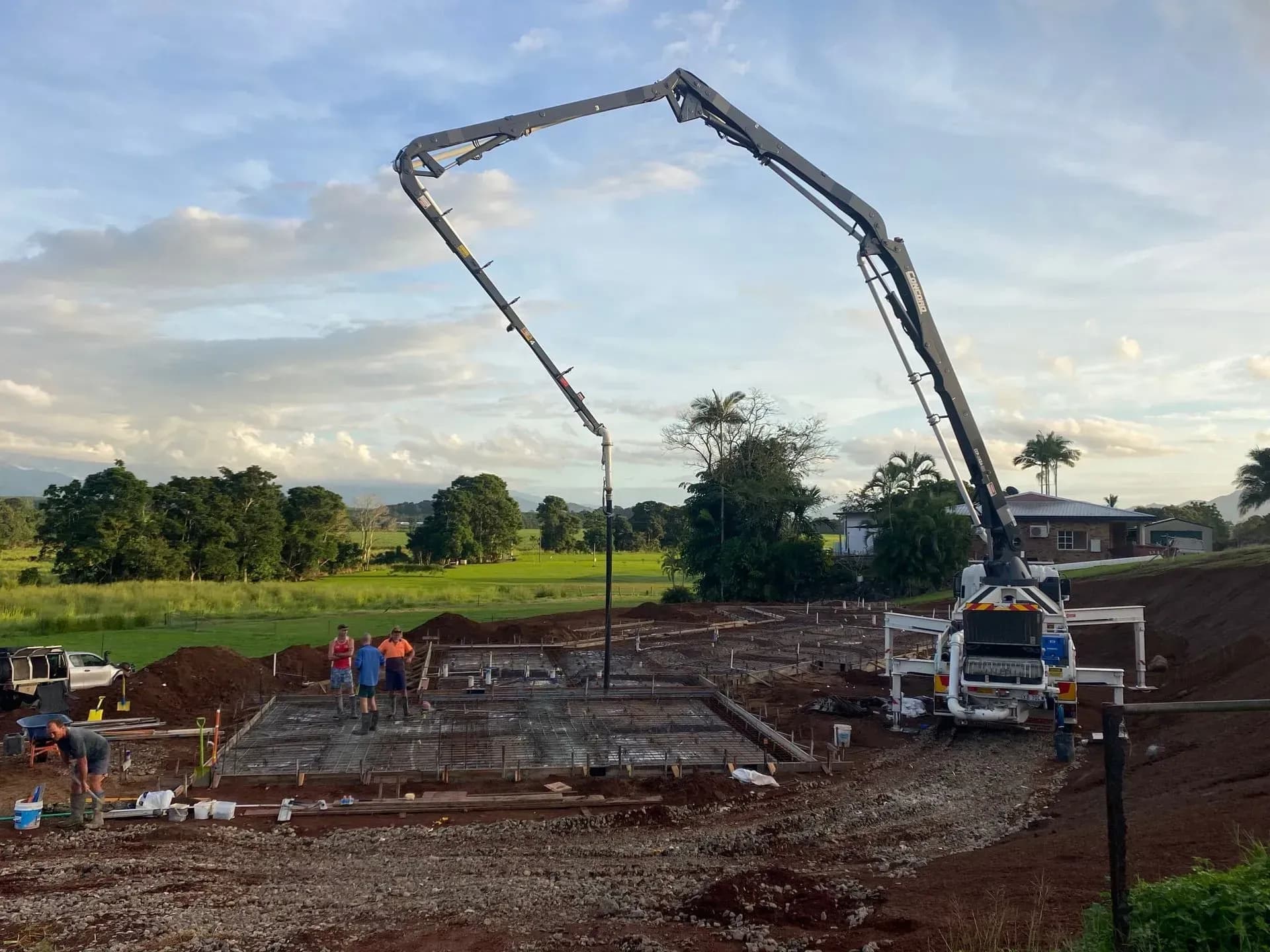
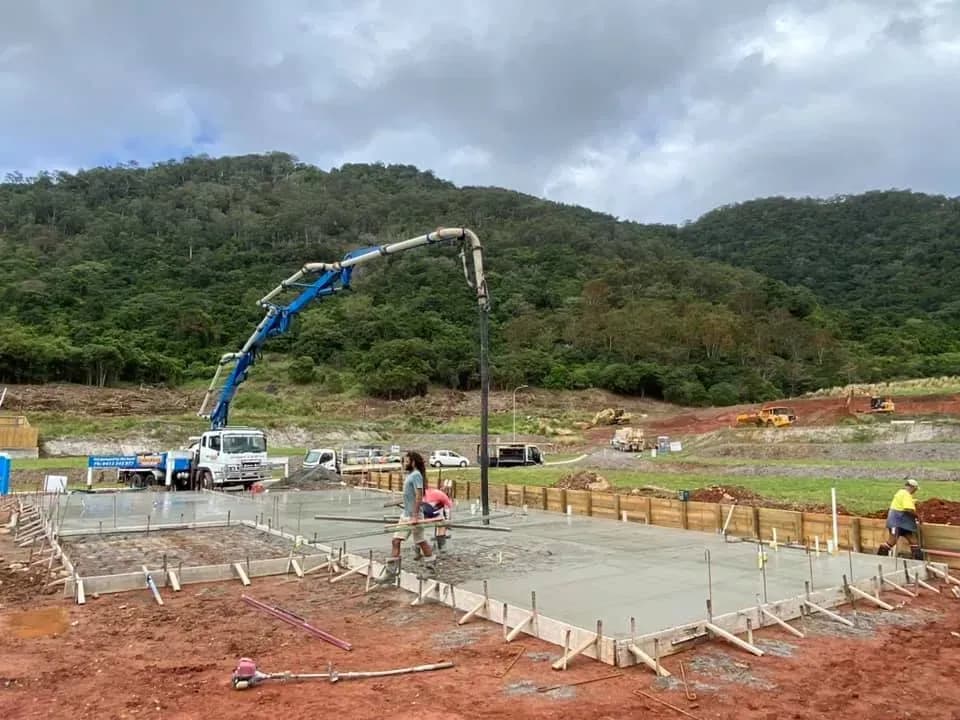
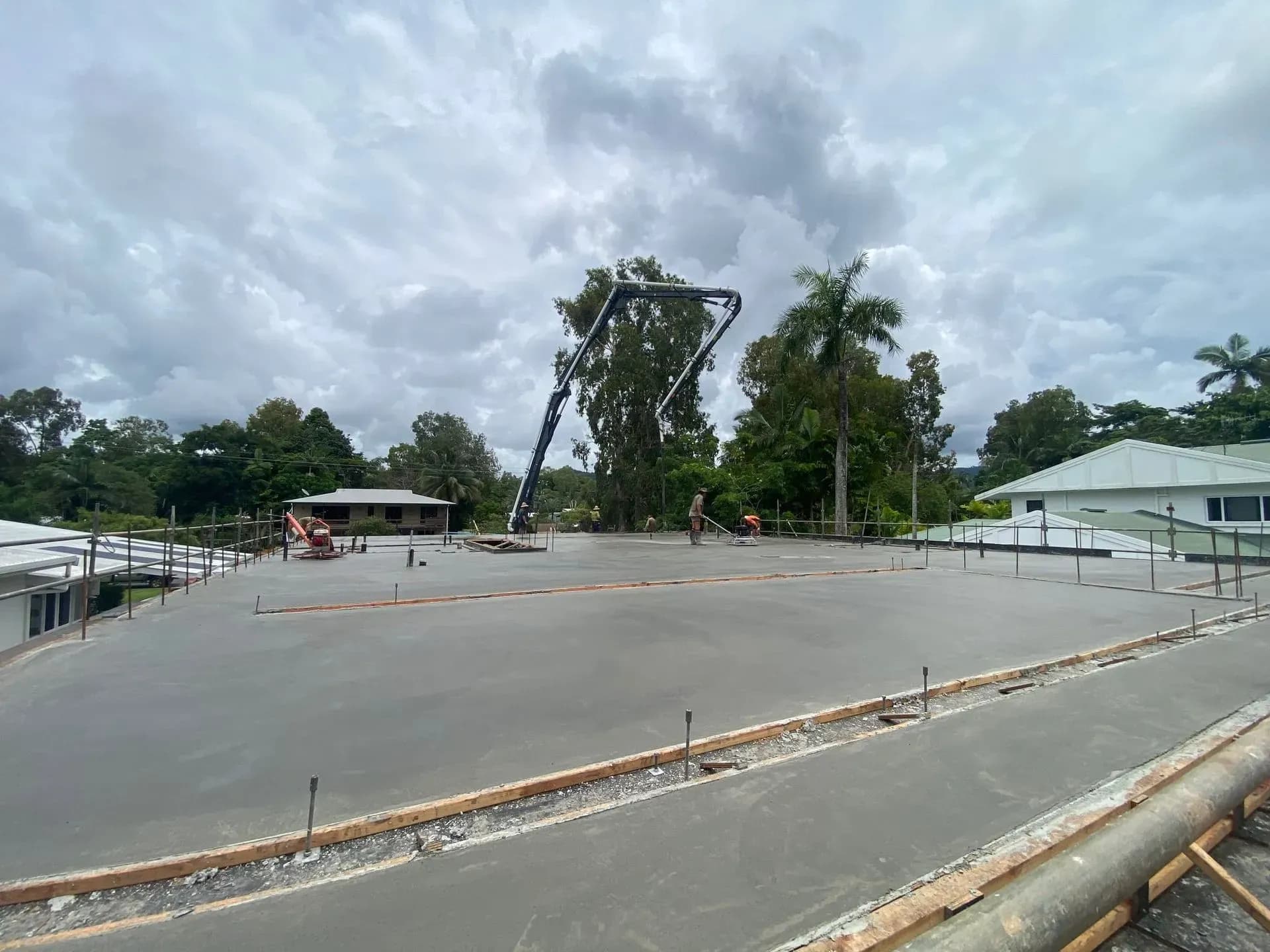
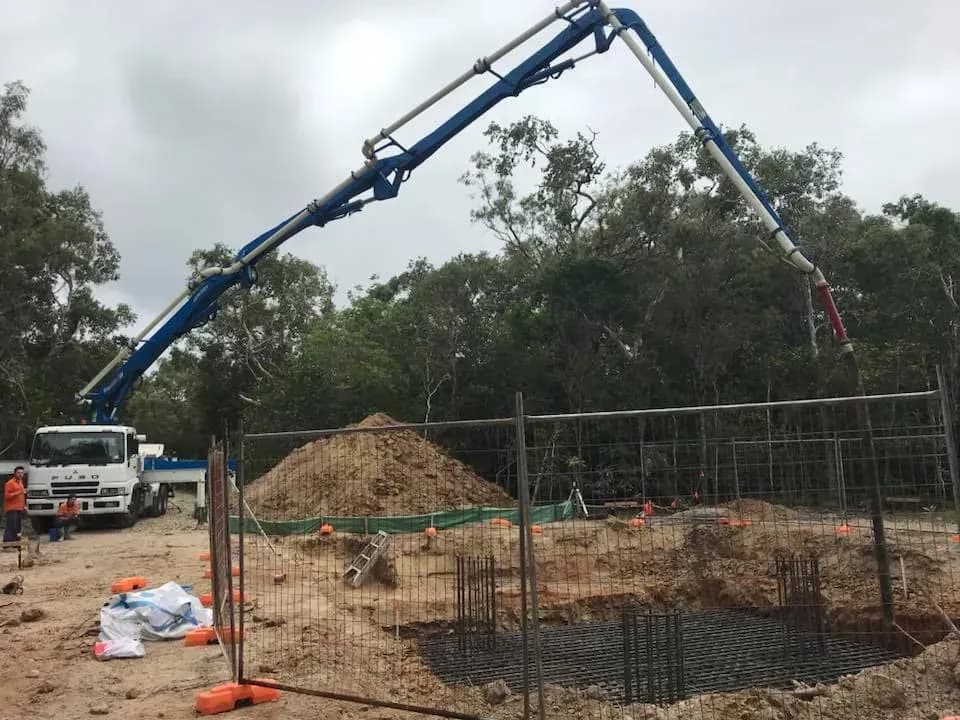
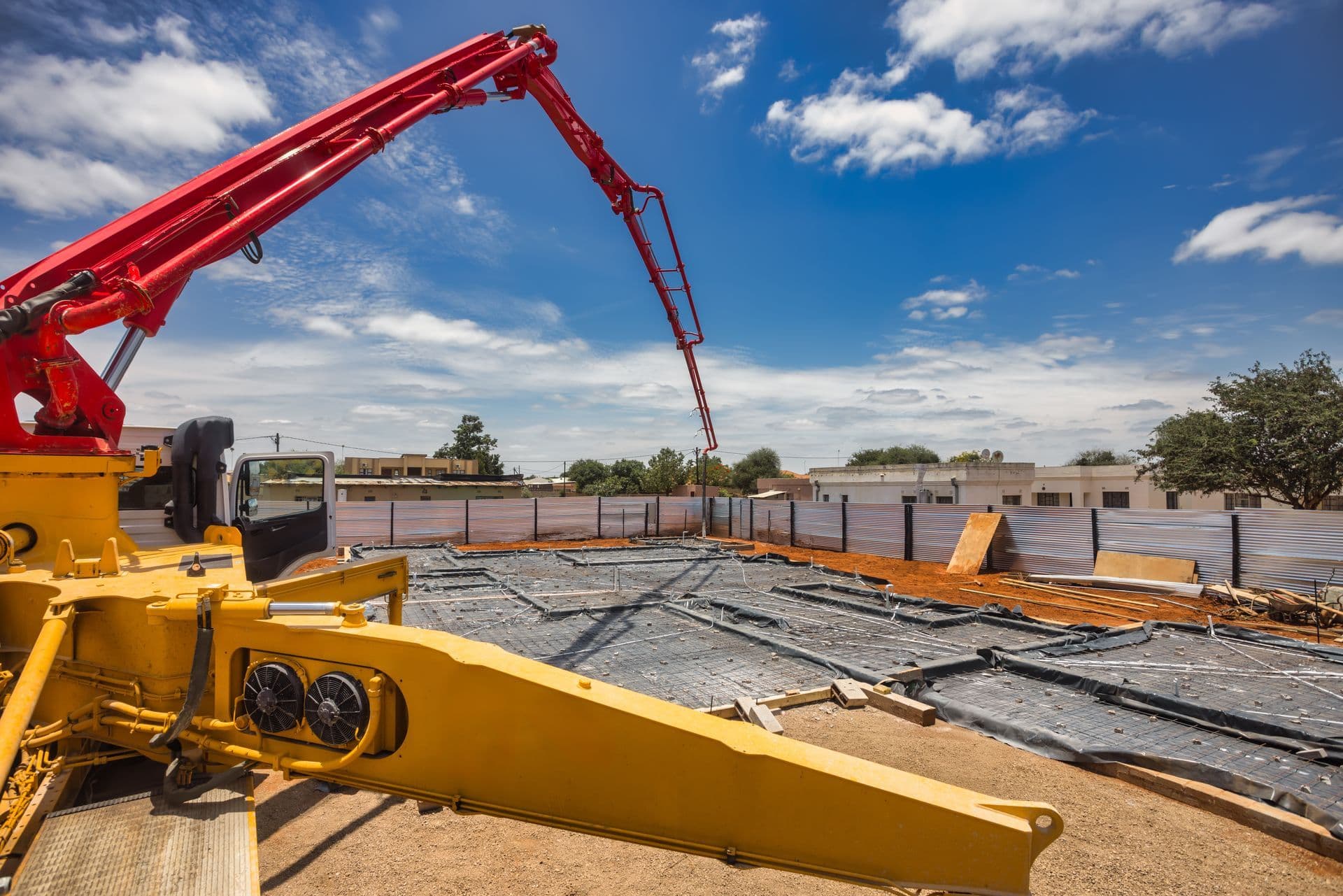
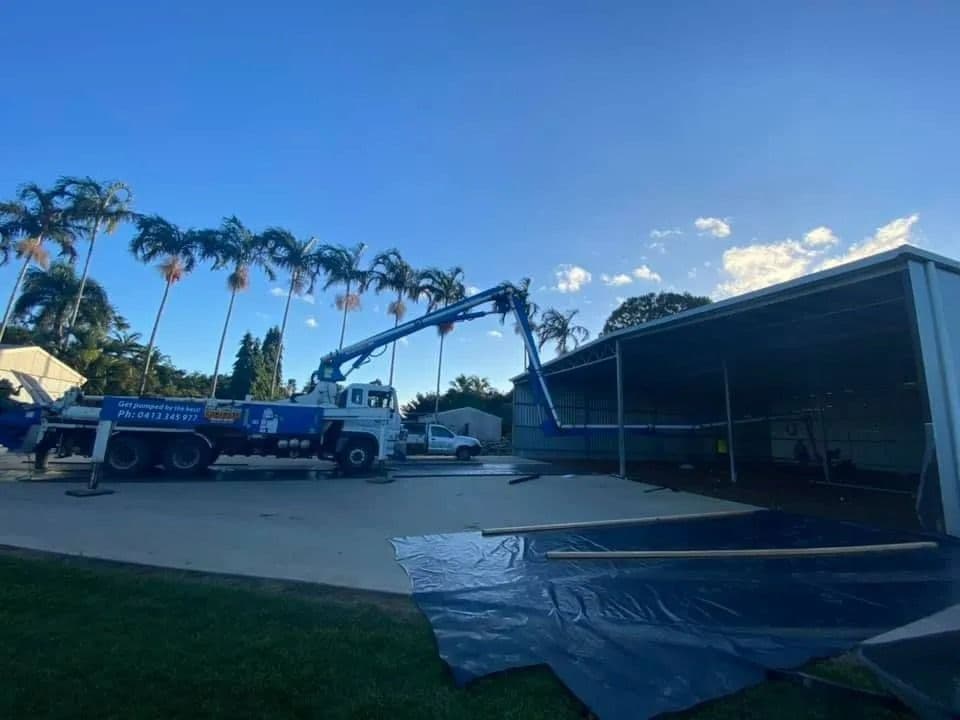
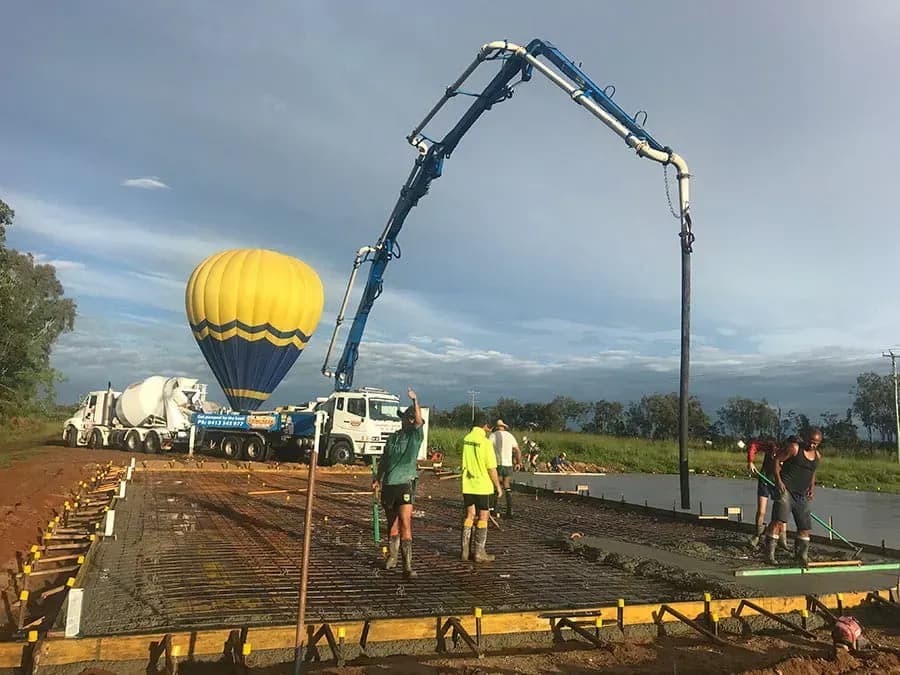
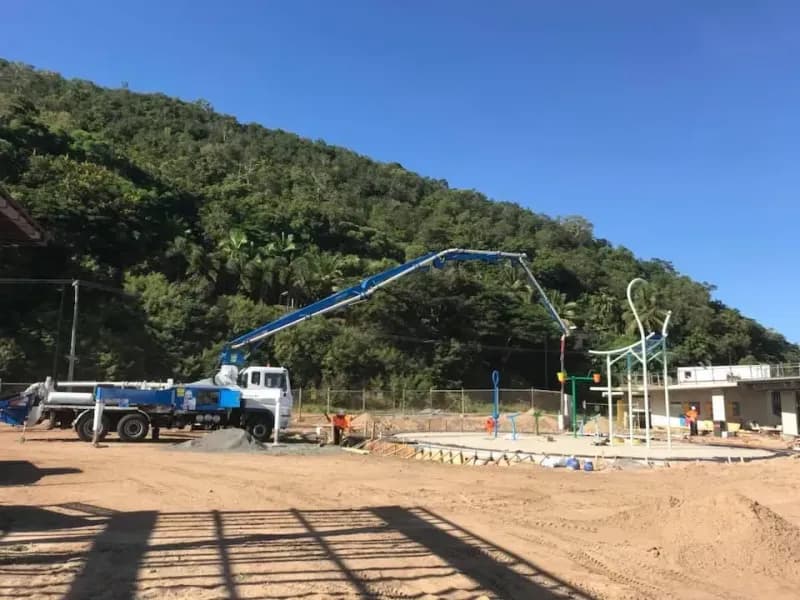
The PB licence is the high risk work licence class for operating a concrete placing boom. Under the WHS Regulation definition WorkSafe Queensland quotes, a concrete placing boom is plant with an articulating boom, capable of power operated slewing and luffing, that places concrete by pumping it through a pipeline attached to, or forming part of, the boom. A truck mounted boom pump fits that definition, and WorkSafe Queensland confirms static and truck mounted placing booms are both covered.
According to the Concrete Pumping Association of Australia, getting the licence runs in this order:
- Train with a registered training organisation in the unit CPCCLBM3001 Licence to operate a concrete placing boom.
- Be assessed as competent by an accredited assessor.
- Apply to the state WHS regulator within 60 days of the qualification certificate being issued. Applicants must be at least 18.
- Carry the licence: holders must have the licence document available for inspection.
The CPAA notes the licence is valid for five years and lets the holder do that class of work in any state or territory. The code lists exceptions, including a trainee working towards the licence under the supervision of a licence holder, work done solely to move, load or unload the boom in the workplace, and work done solely to maintain, service, test or repair it.
Line pumps and the licence question
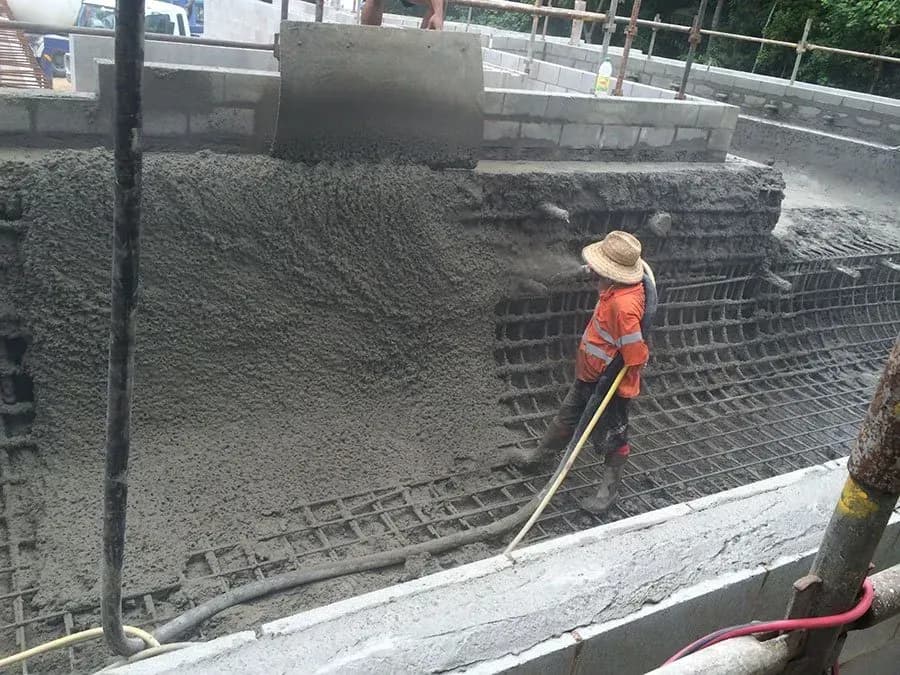
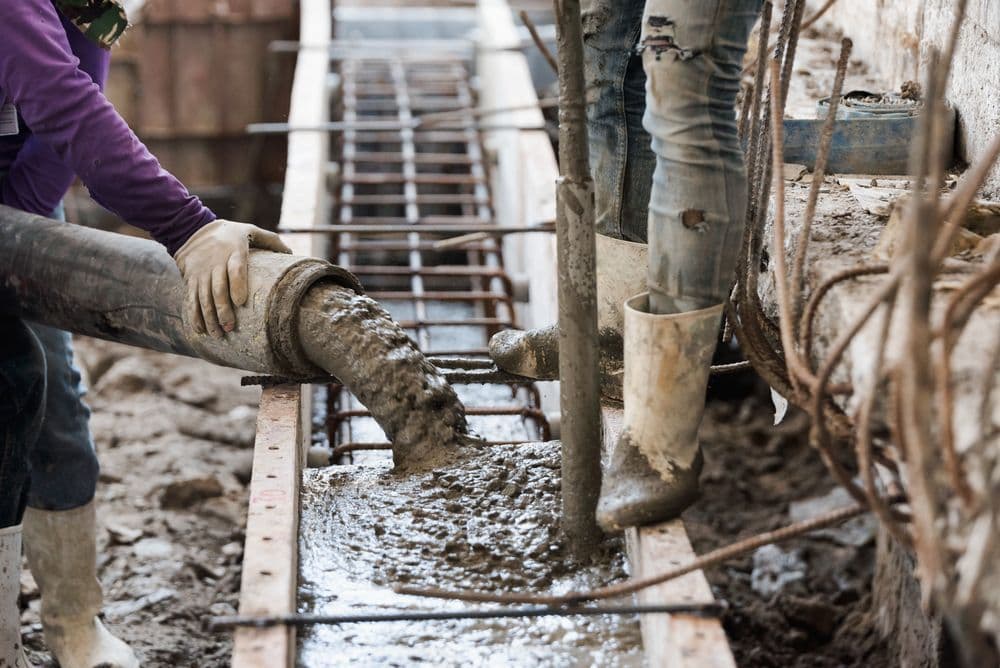
A line pump does not fall under the PB licence, because a line pump has no boom. Queensland's Concrete Pumping Code of Practice 2019 describes a line pump as a skid, vehicle or trailer-mounted pump without a boom, with steel pipes or flexible hoses linked to the pump outlet on the ground. The PB definition depends on an articulating boom that slews and luffs, so a line pump sits outside it.
That does not mean anyone can run one. The code says concrete pump and boom operators should be competent to operate the equipment, with competency achieved through training and supervision and assessed by testing both theory and physical operation. The person controlling the pumping equipment must ensure operators have had suitable training and that line hands are trained and competent. For line pump crews, the CPAA runs a one-day line pump course covering planning, set-up, operation, cleaning and hazards, which ends in a certificate of completion. That certificate is training evidence, not a licence. If you are weighing up which pump suits your pour, see line pump vs boom pump.
Licence and competency expectations by pump type in Queensland
| Boom pump (concrete placing boom) | Line pump (no boom) | |
|---|---|---|
| Licence for the operator | PB high risk work licence | No PB class applies; operator should be trained and competent |
| Unlicensed exception | Includes a supervised trainee working towards the PB licence | Not applicable |
| Plant registration | Placing booms need design and plant registration | The code's registration requirement covers concrete placing booms |
| Line hands | Trained and competent | Trained and competent |
What the Queensland code of practice covers
The Concrete Pumping Code of Practice 2019 is an approved code under section 274 of the Work Health and Safety Act 2011, and it sets the practical standard for pumping work in Queensland. A business must either follow it or manage the risks in a different way that gives an equivalent or higher standard. Codes of practice are admissible in court proceedings, so the code is more than background reading.
For a builder or principal contractor, the parts that land on you are:
- You must consult the pumping business about risks when planning the pour.
- You should provide a clear, unobstructed area with a firm base able to carry the boom and the concrete trucks.
- You should set up a defined pump washout area that complies with environmental protection legislation and local authority requirements.
The code also sets expectations for the pumping business. The person with management or control of a concrete placing boom must not direct or allow a worker to operate it unless the worker holds the required high risk work licence. The pump operator should check the logbook is current and complete before leaving for the job and fill it in with the daily inspection checklist. The operator is not to act as the line hand at the end of the delivery line. There should be one line hand for every 10 metres of workable hose where the pipe is 76.2 millimetres or more in diameter, and every 20 metres where it is smaller. Booms, pumps and associated equipment should be inspected by a competent person at intervals of no more than a year, and a boom's first major inspection is due no later than six years after it was commissioned. Concrete placing booms also need plant registration. Where the pour counts as high risk construction work, a safe work method statement (SWMS) must be prepared before work starts. WorkSafe Queensland lists safety helmets, eye protection, a safety vest and rubber safety boots as required PPE when pumping concrete.
What to ask before you hire
Before you book a concrete pump, ask for evidence that matches the pump coming to your site. These questions follow directly from the licence rules and the code:
- Is it a boom pump or a line pump? If it has a boom, the operator needs a PB high risk work licence.
- Can the operator show the physical licence card on the day? Licence holders must have it available for inspection.
- Is the boom registered, and when was its last annual inspection and major inspection?
- Is the pump logbook current and complete?
- How many line hands are coming, and are they trained? Check the number against the hose length that will be handled during the pour.
- Who prepares the SWMS, and what do you need from me for the set-up area and washout?
Do not rely on a photo of a licence alone. In a February 2026 alert, Workplace Health and Safety Queensland said it had received reports of people presenting high risk work licence cards with false information. It recommends checking a scan or photocopy against the physical licence card and the issuing regulator's HRW licence register. For site set-up questions, our guide to preparing your site for a concrete pump covers access and ground conditions, and concrete pump hire cost explains what drives a quote.
Our licensing
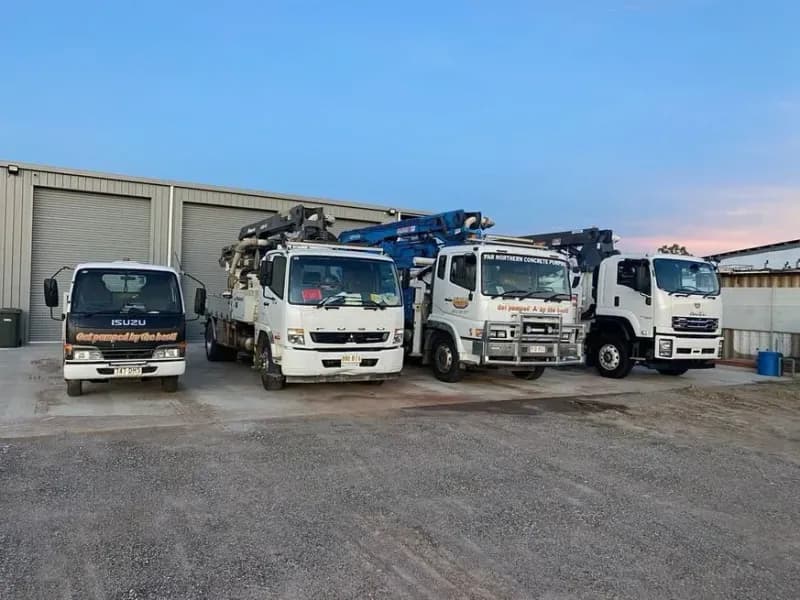
Far Northern Concrete Pumping holds a PB certificate, number 9691905. Every one of our operators is fully licensed and high-risk certified, and our fleet is maintained in our own workshop. Our trained, licensed and insured operators run a 31m boom pump, 28m boom pump, 20m boom pump and a line pump. Before starting any job, we assess the worksite, identify hazards and associated risks, and put control measures in place.
We are based in Mareeba and pump across Far North Queensland, including Cairns concrete pumping. You can see the full service on our concrete pumping page, or ask us for our licence details when you call on 0413 345 977.
Next steps
Once you know the operator is licensed, the next job is getting the site ready for the pump and the trucks. Work through preparing your site for a concrete pump, then read about Far Northern Concrete Pumping and our licensing before you book.
Sources
- Concrete placing boom - PB, WorkSafe Queensland. Accessed 4 October 2026.
- Concrete Pumping Code of Practice 2019, WorkSafe Queensland. Accessed 4 October 2026.
- Concrete pumping: safety training and supervision, WorkSafe Queensland. Accessed 4 October 2026.
- High-risk work licences fraud alert, WorkSafe Queensland. Accessed 4 October 2026.
- Concrete pumping overview, Safe Work Australia. Accessed 4 October 2026.
- Concrete Pump Licensing, Concrete Pumping Association of Australia. Accessed 4 October 2026.
- Line Pump Training, Concrete Pumping Association of Australia. Accessed 4 October 2026.